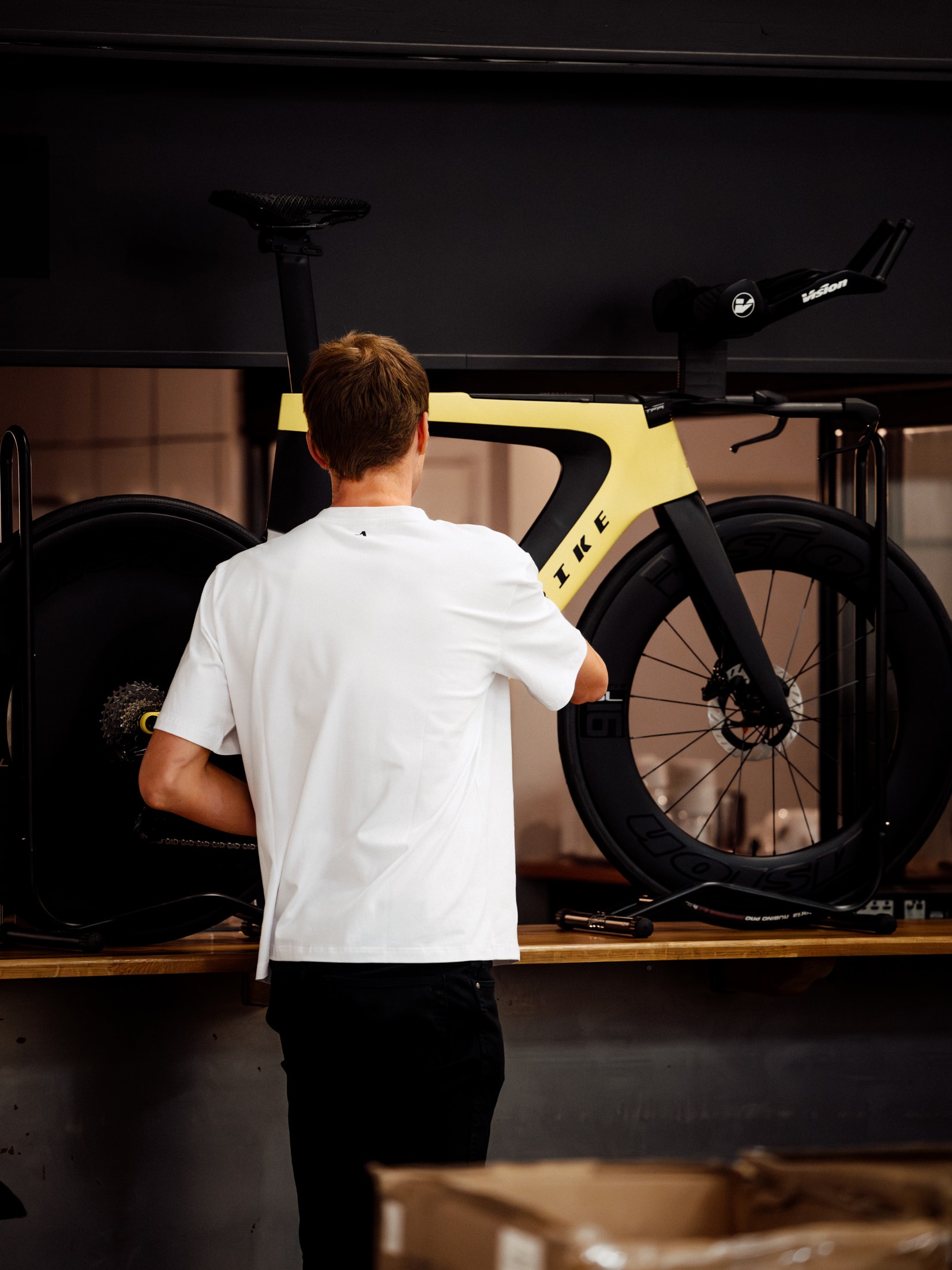
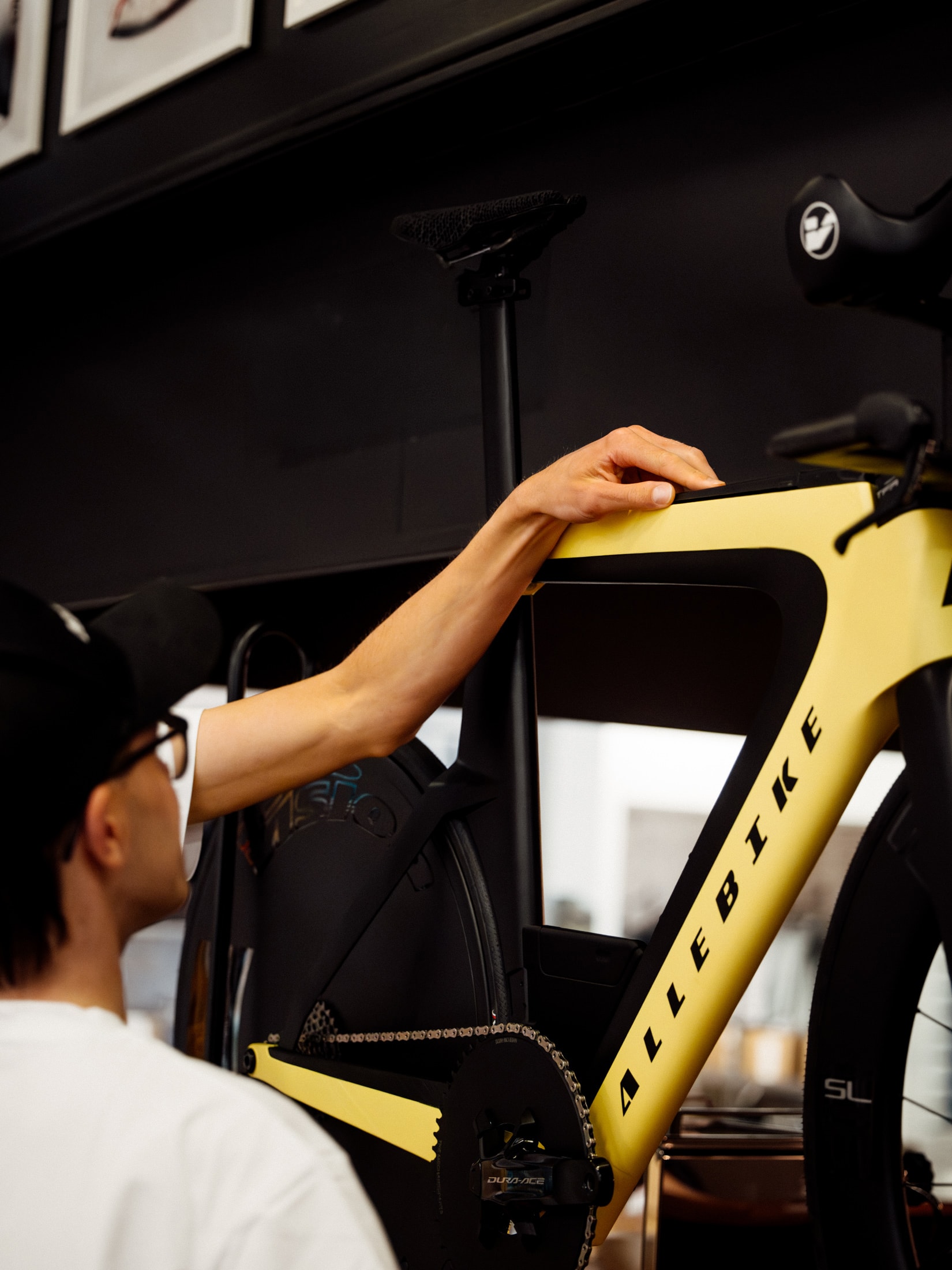
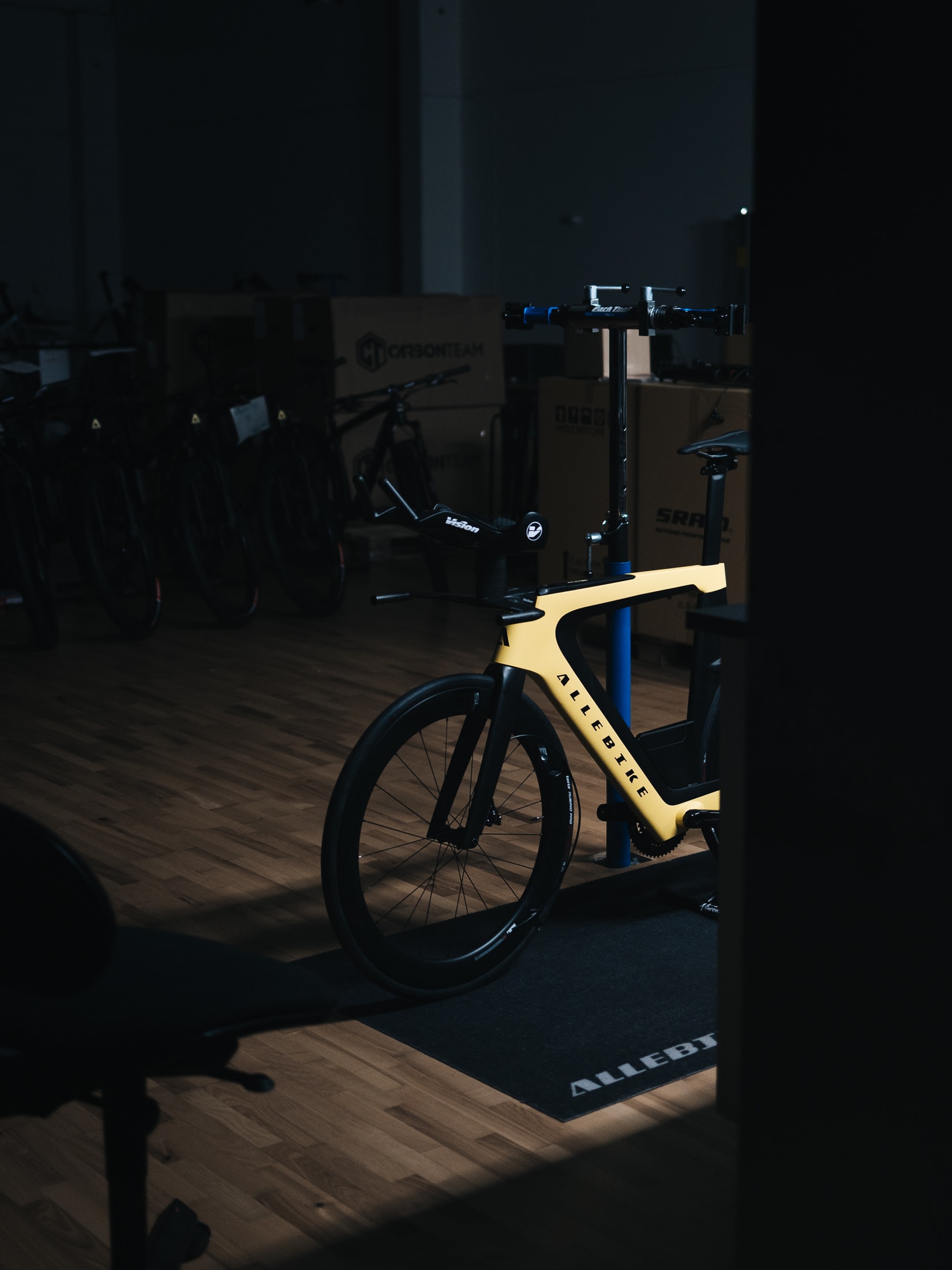
The Swedish Bike Project began as an idea to explore what is truly possible when development, materials and manufacturing come together in a new Swedish context. A project where the goal is not only to develop an advanced bike, but to gradually explore the possibilities for future Swedish development and production of high-performance carbon fibre frames.
Through the first chapters, we’ve followed the journey from vision and material selection to design, prototypes and tool development. From the very first sketches to the creation of the moulds that will form the foundation of the first frame.
Now, the project takes its next step. Towards the start line.
Read chapters 1-4 here
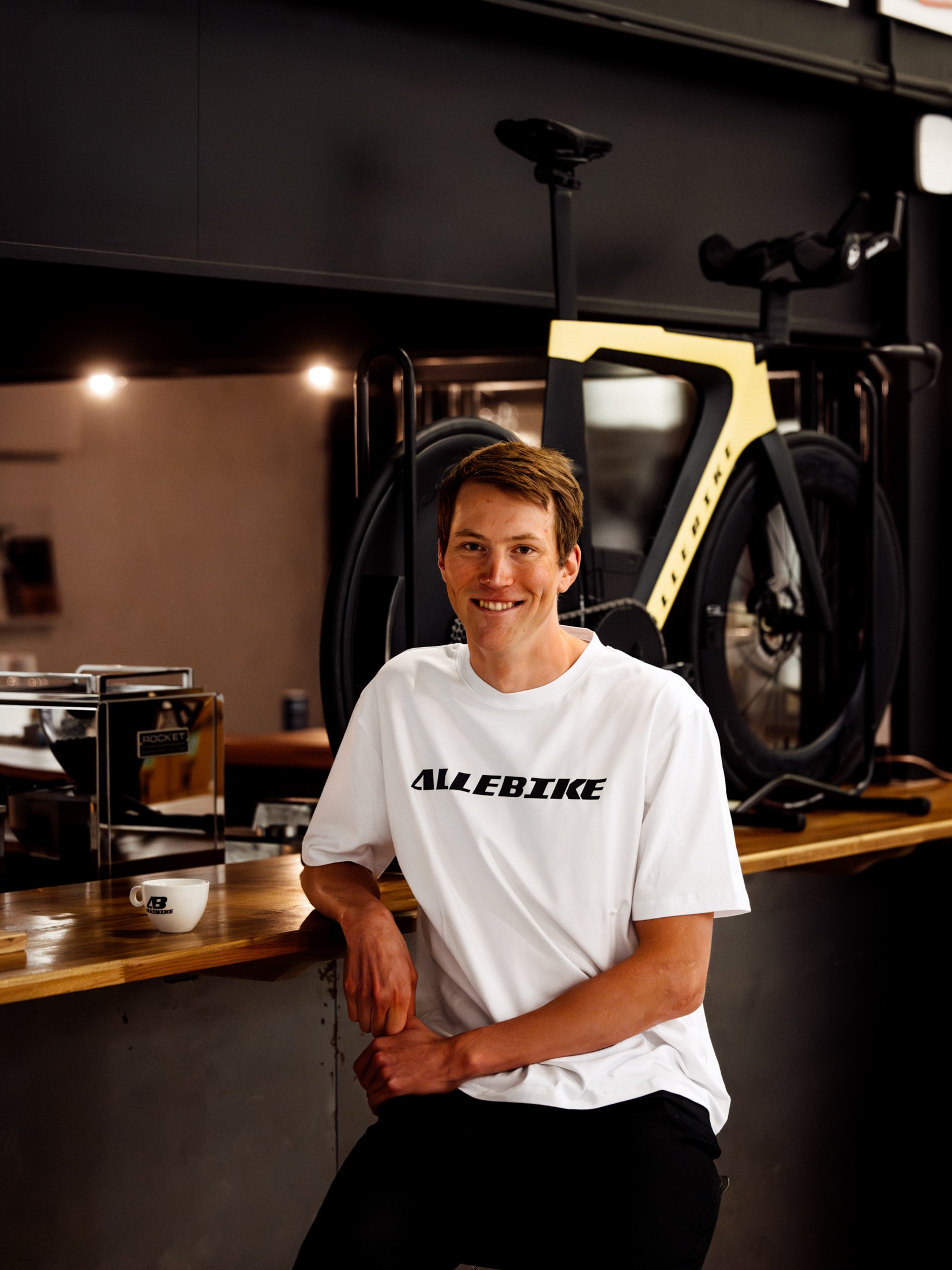
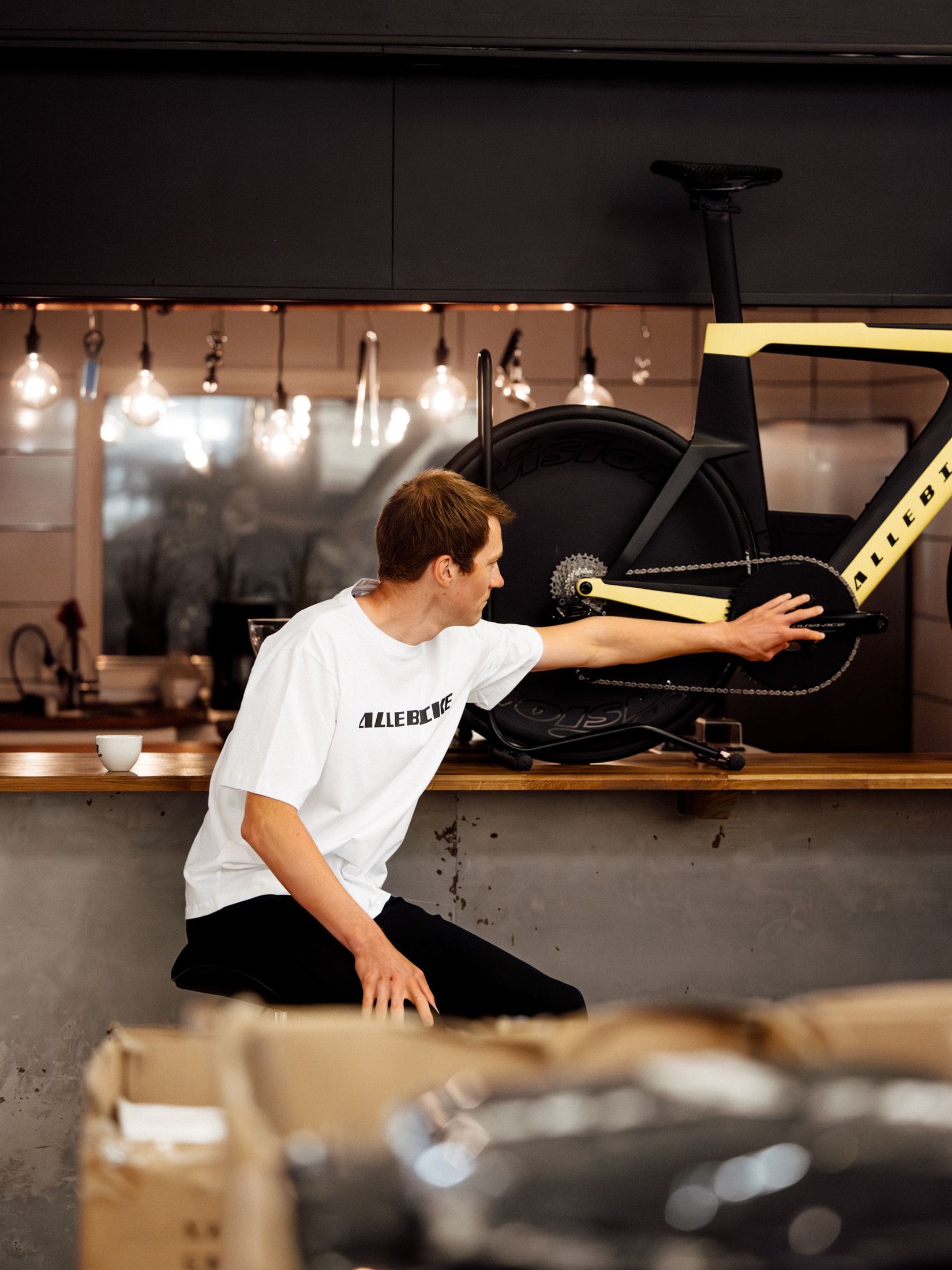
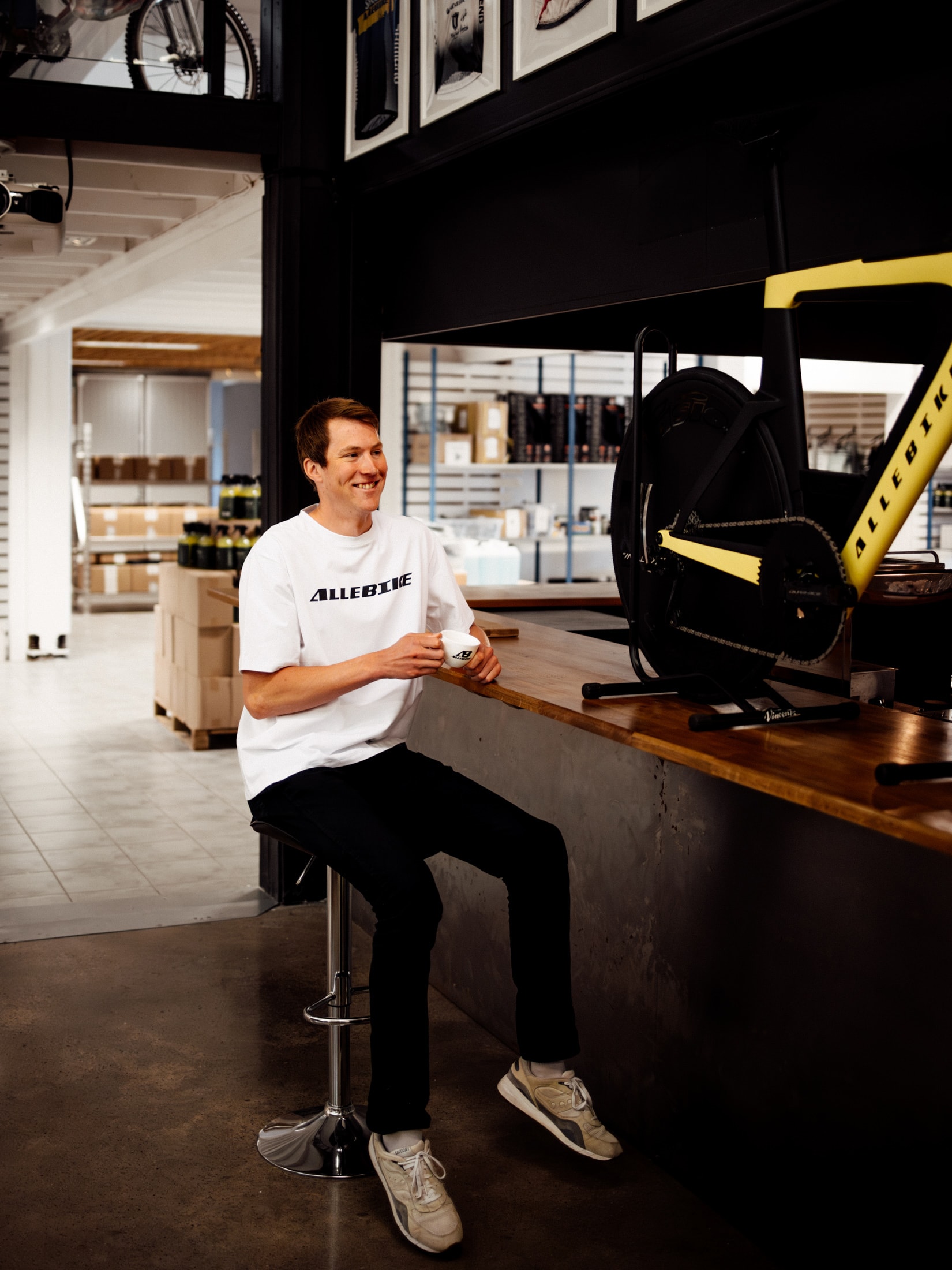
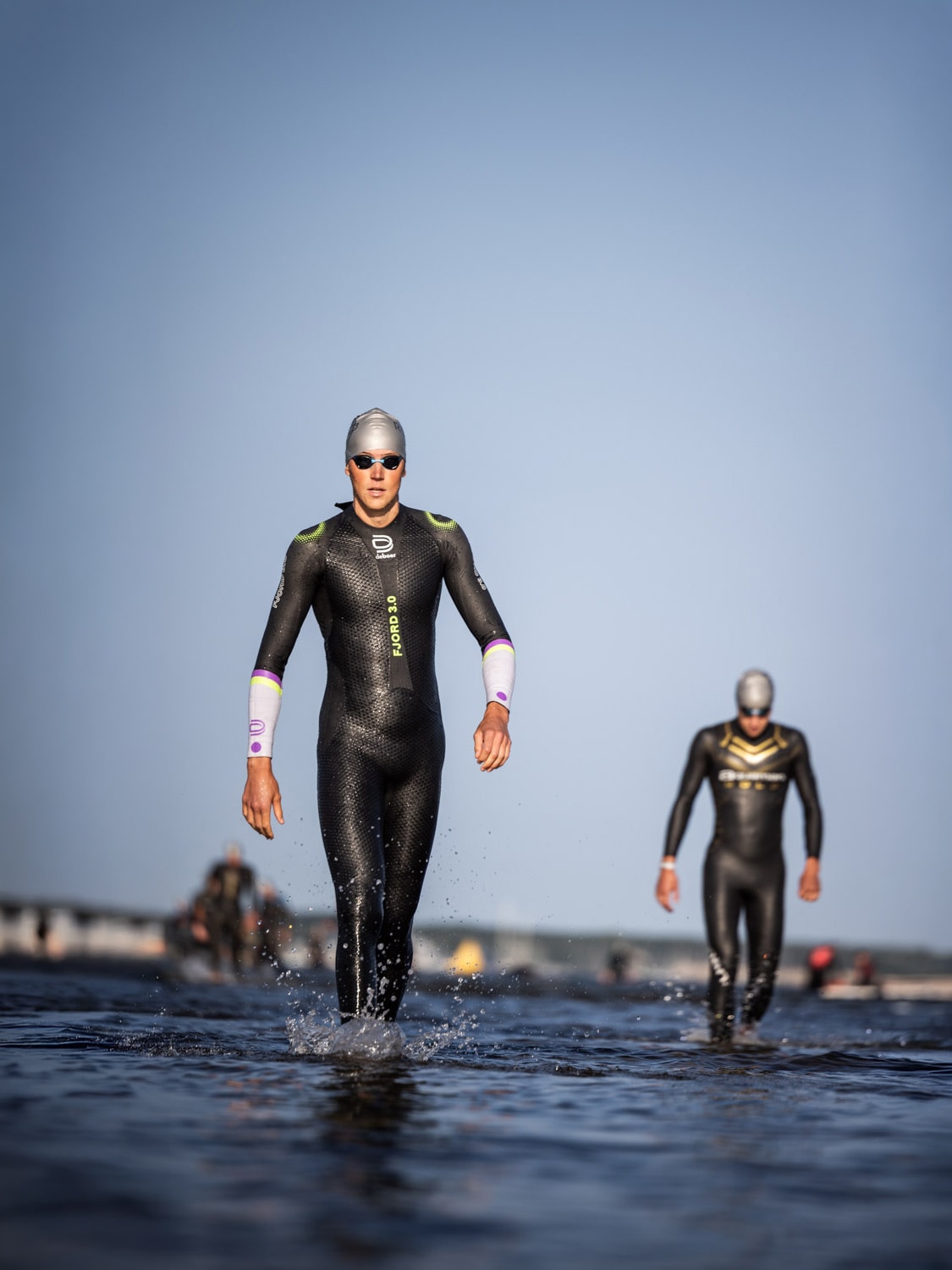
In Chapter 5, Swedish professional triathlete Robert Kallin becomes part of The Swedish Bike Project.
But this chapter is not only about results. It’s about the hours behind them. About how a bike feels after nearly four hours at race pace. About position, efficiency and the small details that determine how long high speed can be maintained - deep into a race day that can last close to eight hours.
Because even though The Swedish Bike Project has been shaped through sketches, materials and construction, the goal has always remained the same - to create a bike built for real performance.
From his base in Trollhättan, Robert has built his name through a relentless pursuit of speed. Running was originally his main focus, but recurring injuries eventually pushed him towards the bike. Somewhere along the way, he discovered triathlon - and quickly became fascinated by the combination of disciplines and the endless pursuit of improvement.
His first triathlon came in 2013 - and ever since, the pursuit of improvement has become a central part of everyday life.
“The thing that draws me to triathlon is that there are so many areas where you can constantly optimise and improve. I’m still chasing the feeling of the perfect race.”
Over the past few years, that pursuit has taken him to the very highest level of the sport. When Robert completed the bike leg at Ironman Vitoria-Gasteiz in 3:54:33 over 180 kilometres, it became the fastest official Ironman bike split ever recorded - a performance that still stands today as the third fastest time in history.
But the record itself was never the original motivation.
“When I took the record, I actually had no idea. Other people told me about it afterwards.”
That said, the ambition to reclaim the top spot is definitely still there.
“Now that I’ve experienced it, of course there’s a part of me that wants to take it back again. And to do it on an Allebike Aston would be something really special.”
Press Contact
Allebike / Vincents Alingsås
Jessica Blomqvist
Email: jessica@allebike.se
TeXtreme
Tomas Josefsson
Email: tomas.josefsson@textreme.com
Aston Harald Composite
Lars Idmyr
Email: lars.idmyr@astonharald.com
Cliff Models
David Halling
Email: david.halling@cliffmodels.com
MODELCO
Carl-Johan Stråhle
Email: carl-johan@modelco.se