GOTHENBURG - 24 JUNE 2026
The Swedish Bike Project began with an idea: to explore what is truly possible when development, materials and manufacturing come together in a new Swedish context. A project where the goal is not only to develop an advanced bike, but to explore - step by step - the possibilities for future Swedish development and production of high-performance carbon fibre frames.
In the previous chapters, we've followed the journey from vision and material selection to the design process, prototypes and tooling development. From the very first sketches to the creation of the moulds that form the foundation for manufacturing the first frame.
Now, the project takes its next step.
Read Chapters 1-5 here
The First Layer
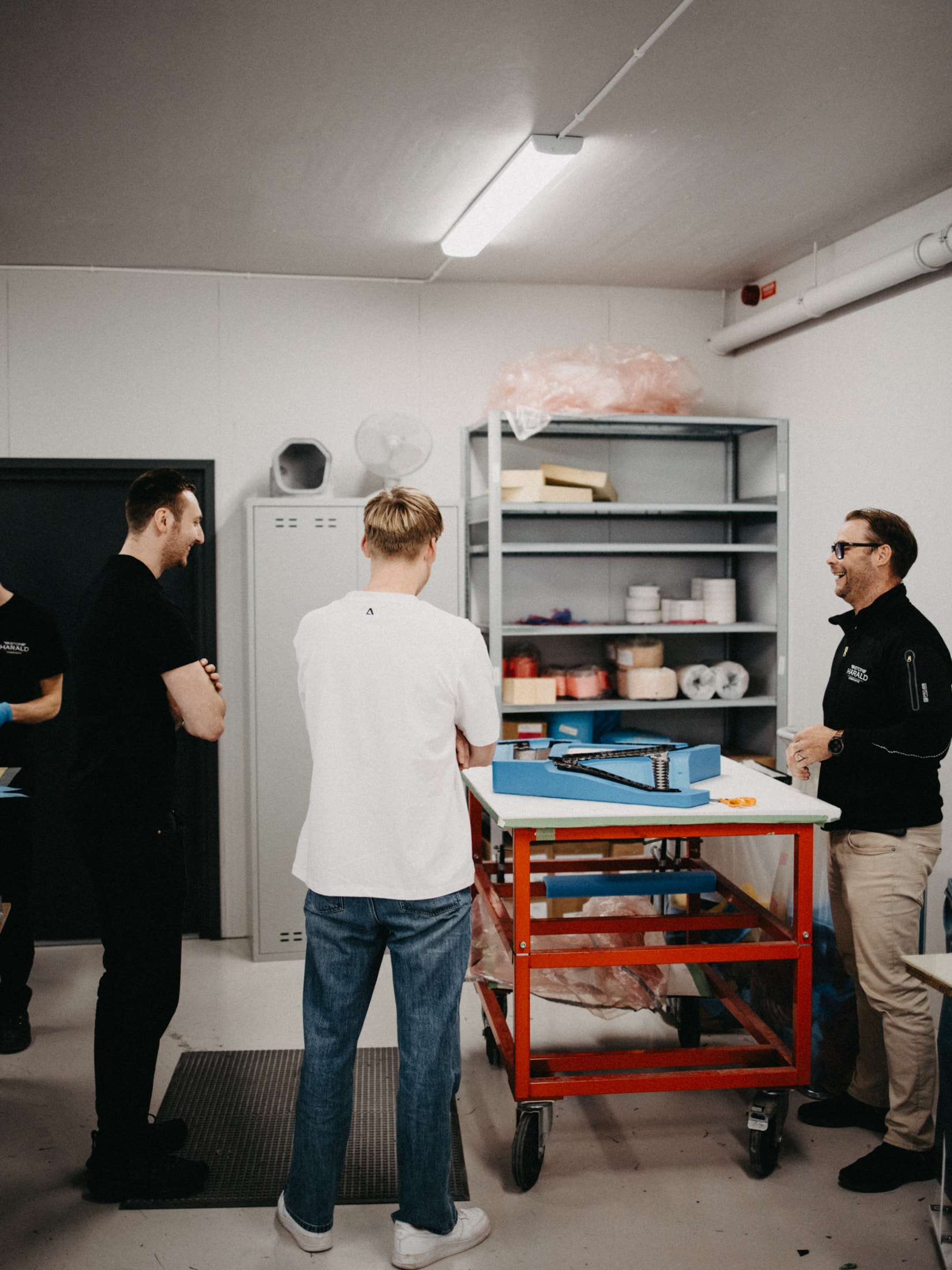
When the tools arrive from Cliff Models, several important steps still remain before manufacturing can begin. Each tool is carefully inspected, any surface imperfections are corrected, and the mould is prepared with sealer and release agent.
These are details that most people will never see. But like so much else in composite manufacturing, success depends on creating the right conditions from the very beginning.
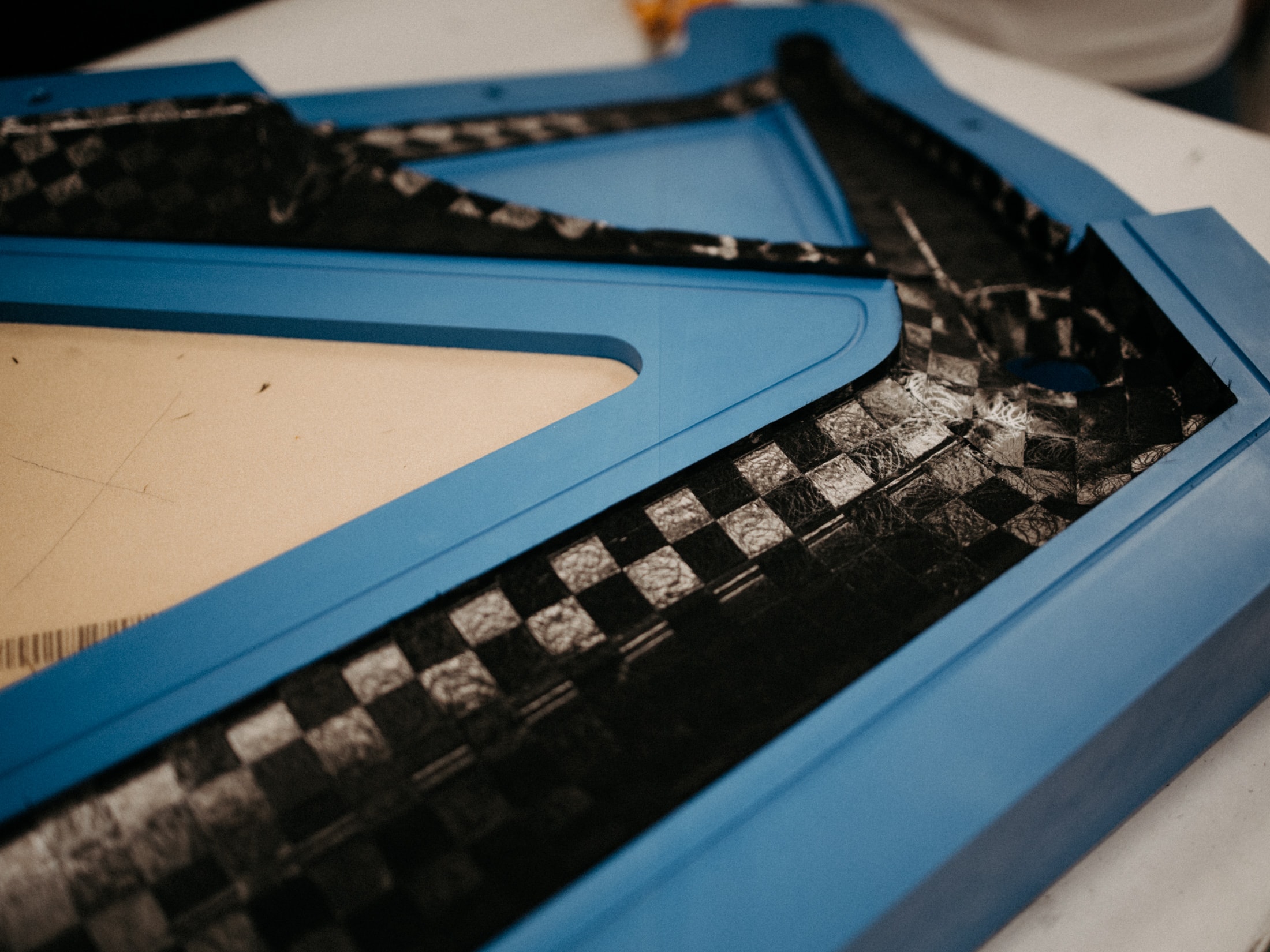
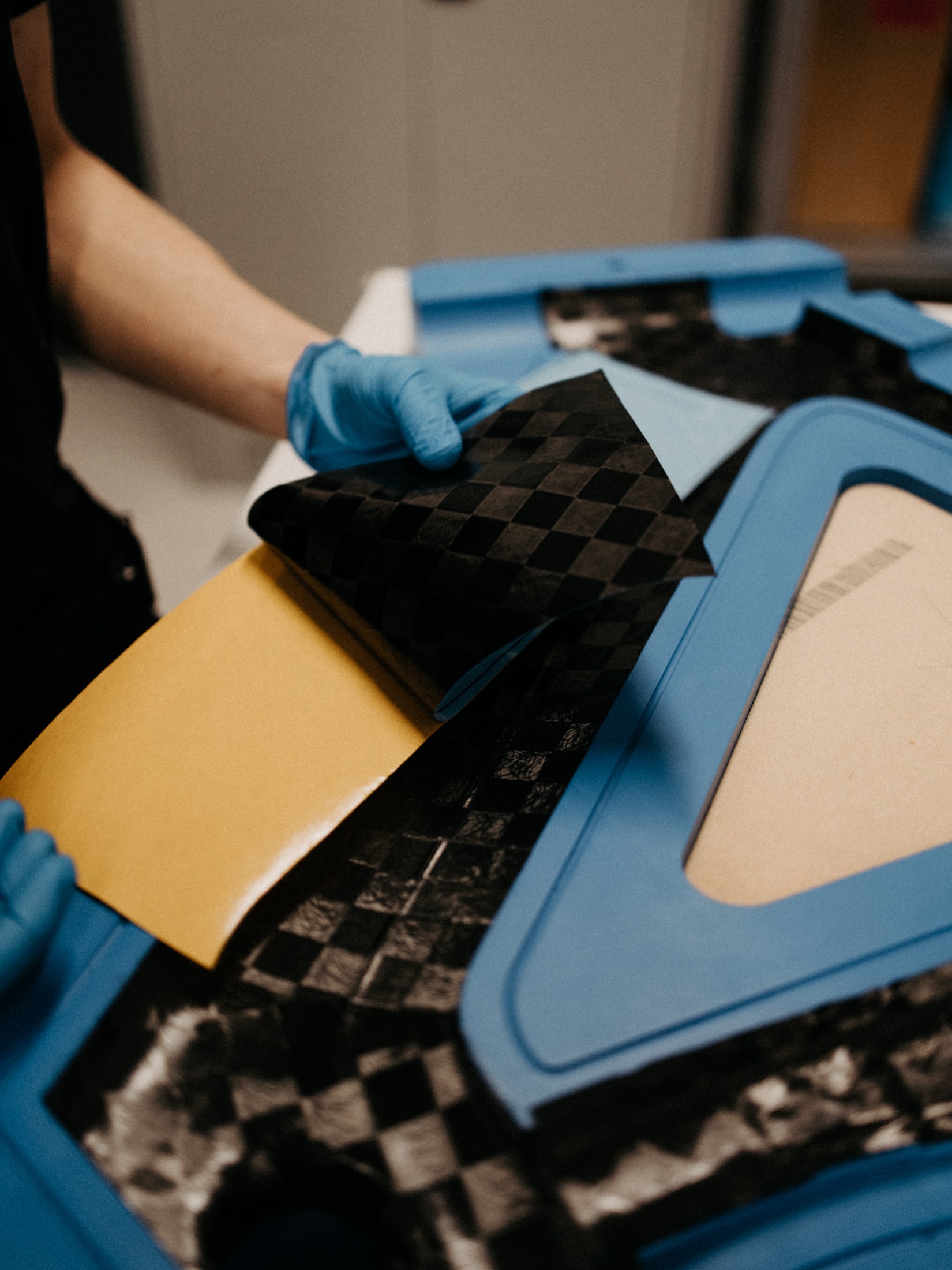
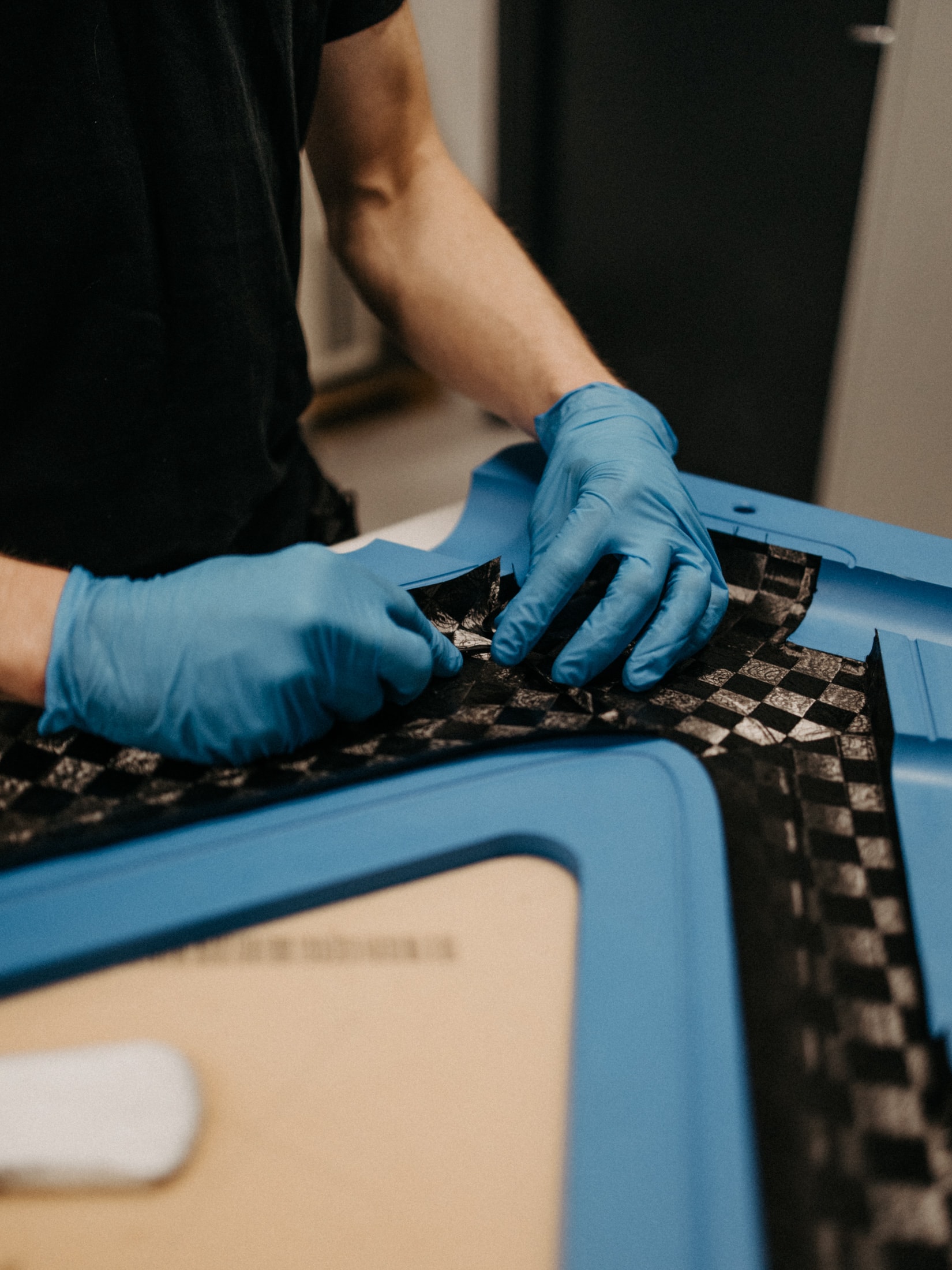
Only then is it time to lay the first layer of carbon fibre.
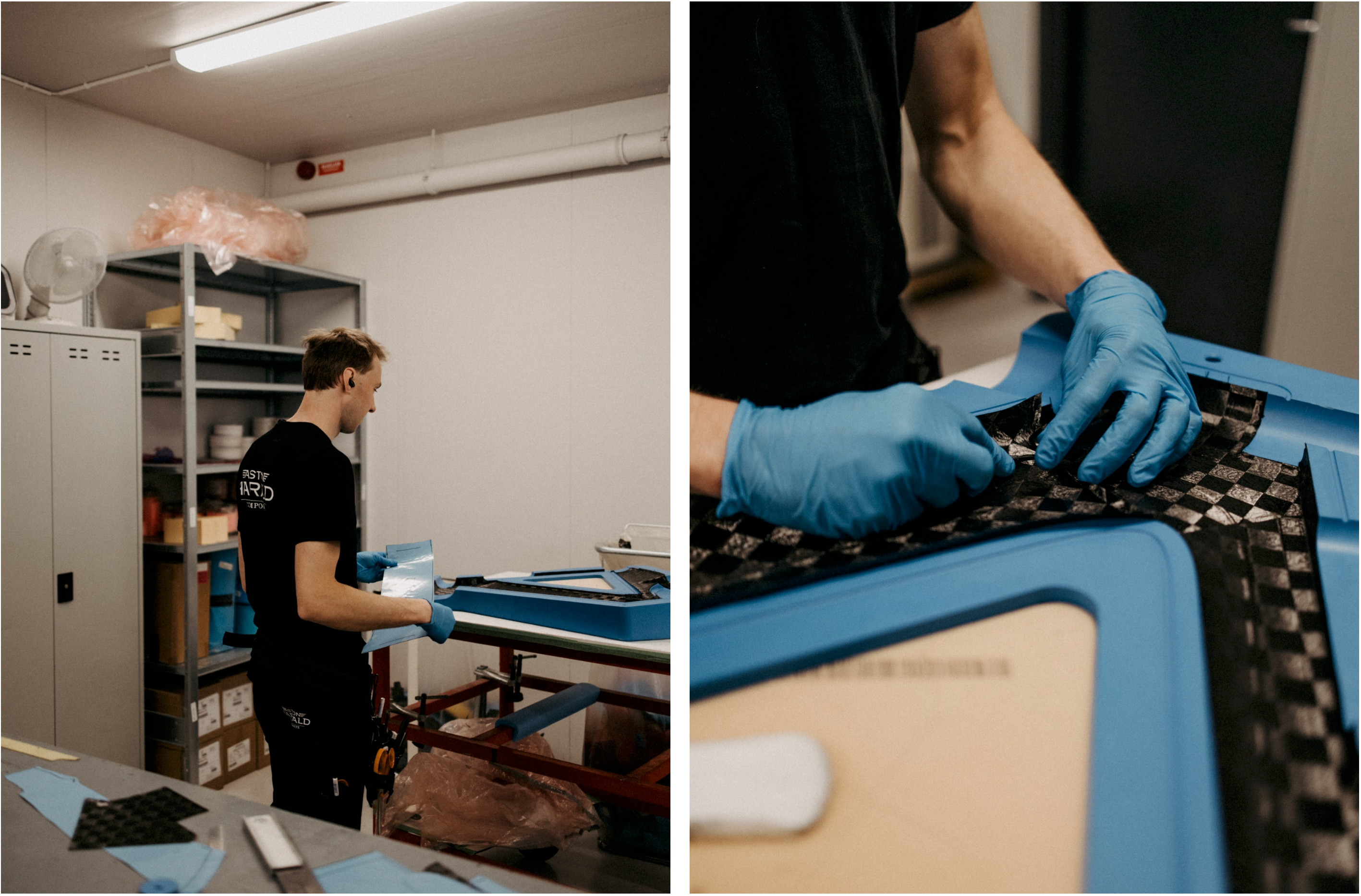
The first layer is special. Not because it carries greater loads or has more influence on the frame's performance than any other layer, but because it is the one that will remain visible once the frame is complete.
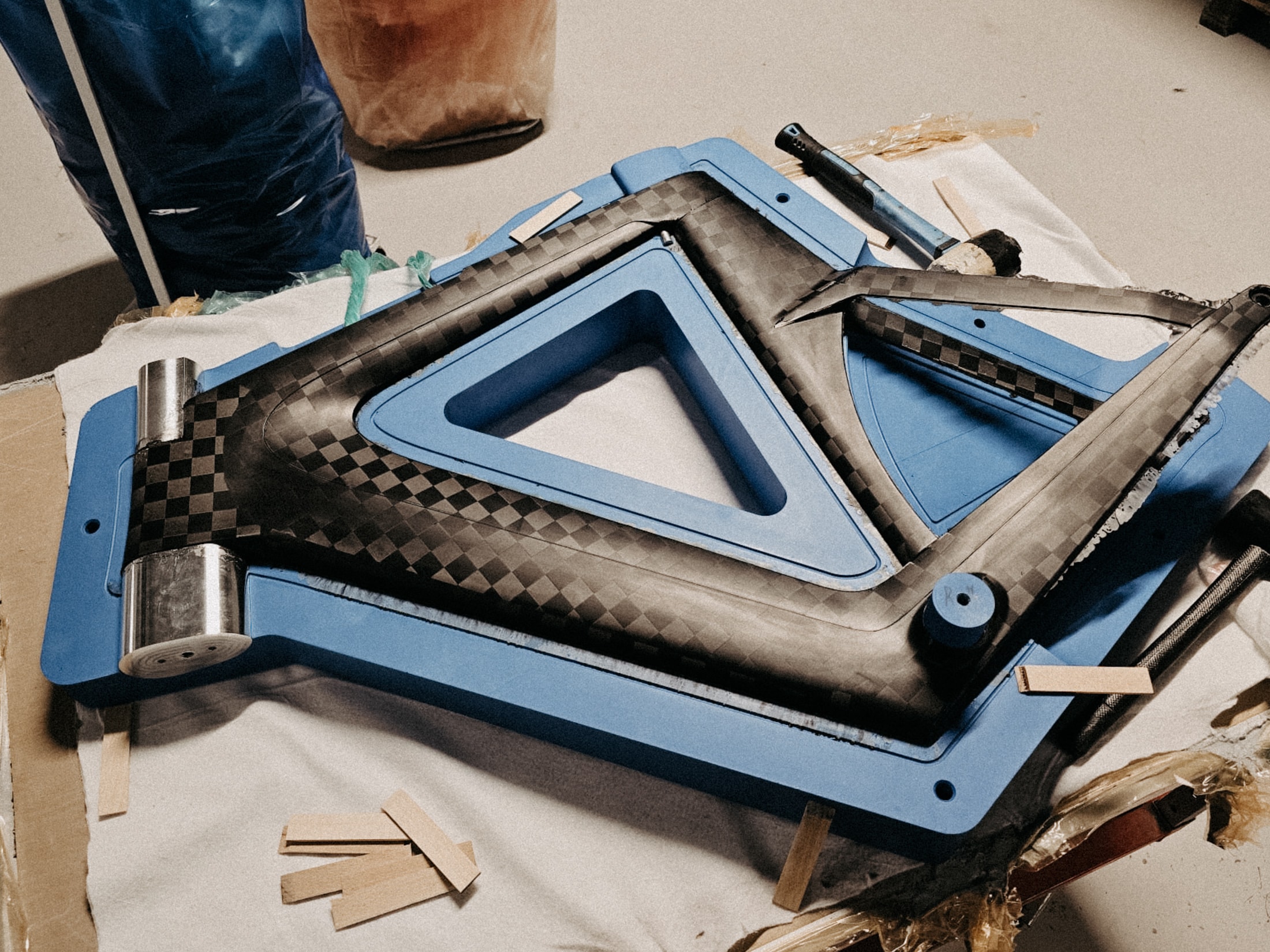
The project's frame features numerous shapes, angles and transitions where large areas of the carbon fibre remain exposed on the finished product. That places high demands on how the material is positioned from the very beginning.
Layer by Layer
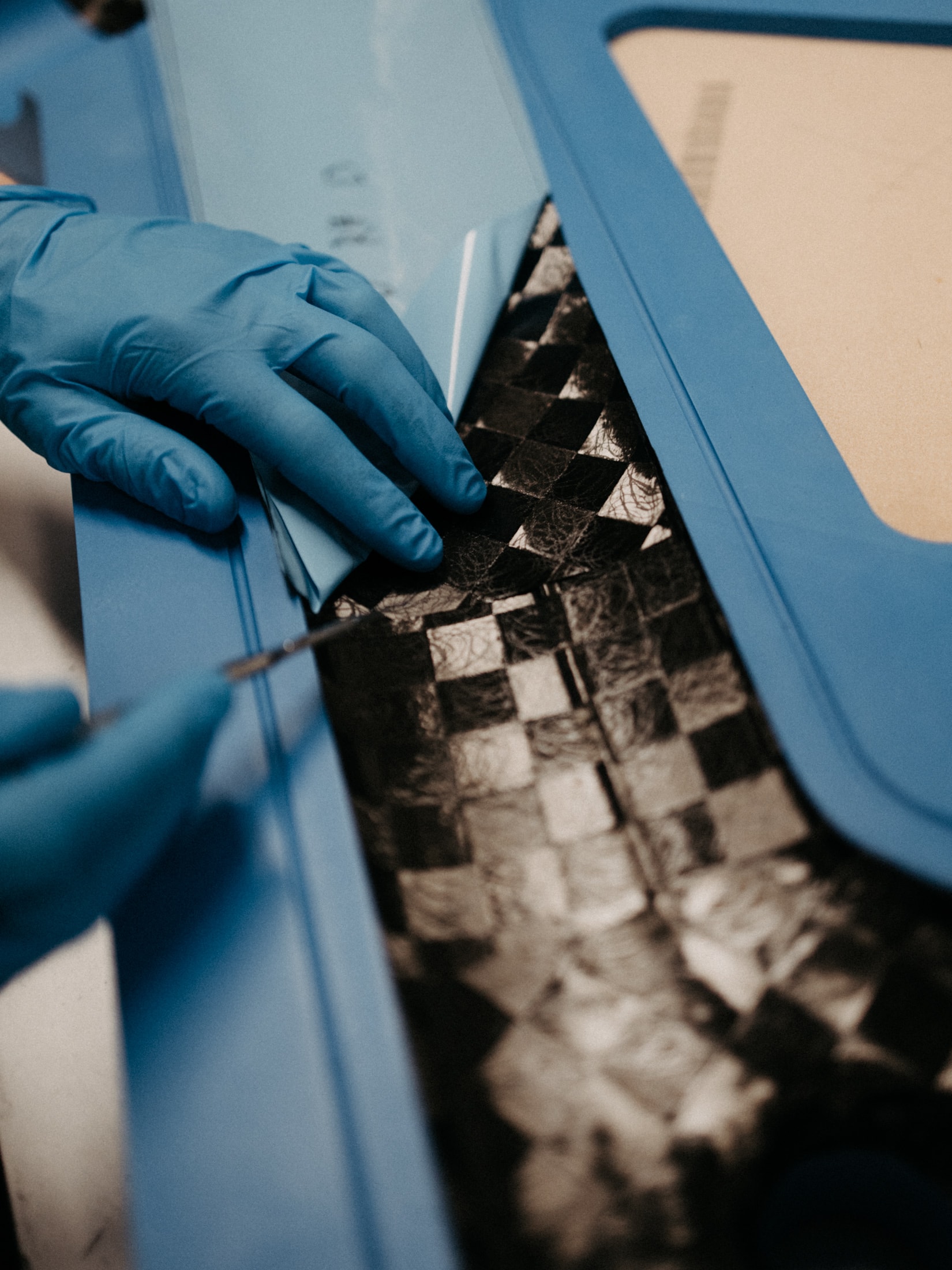
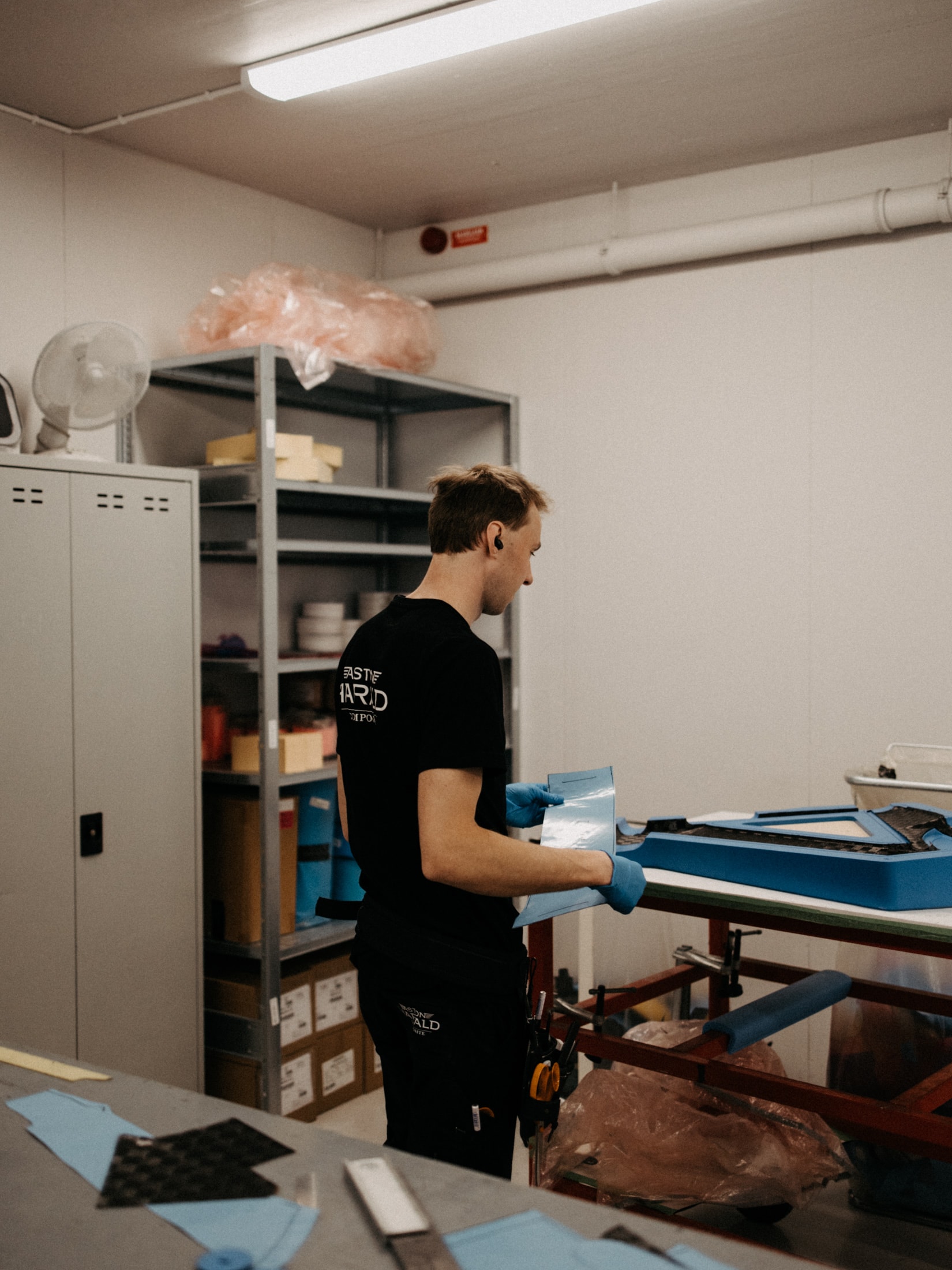
Once the first layer is in place, the work of building the frame begins.
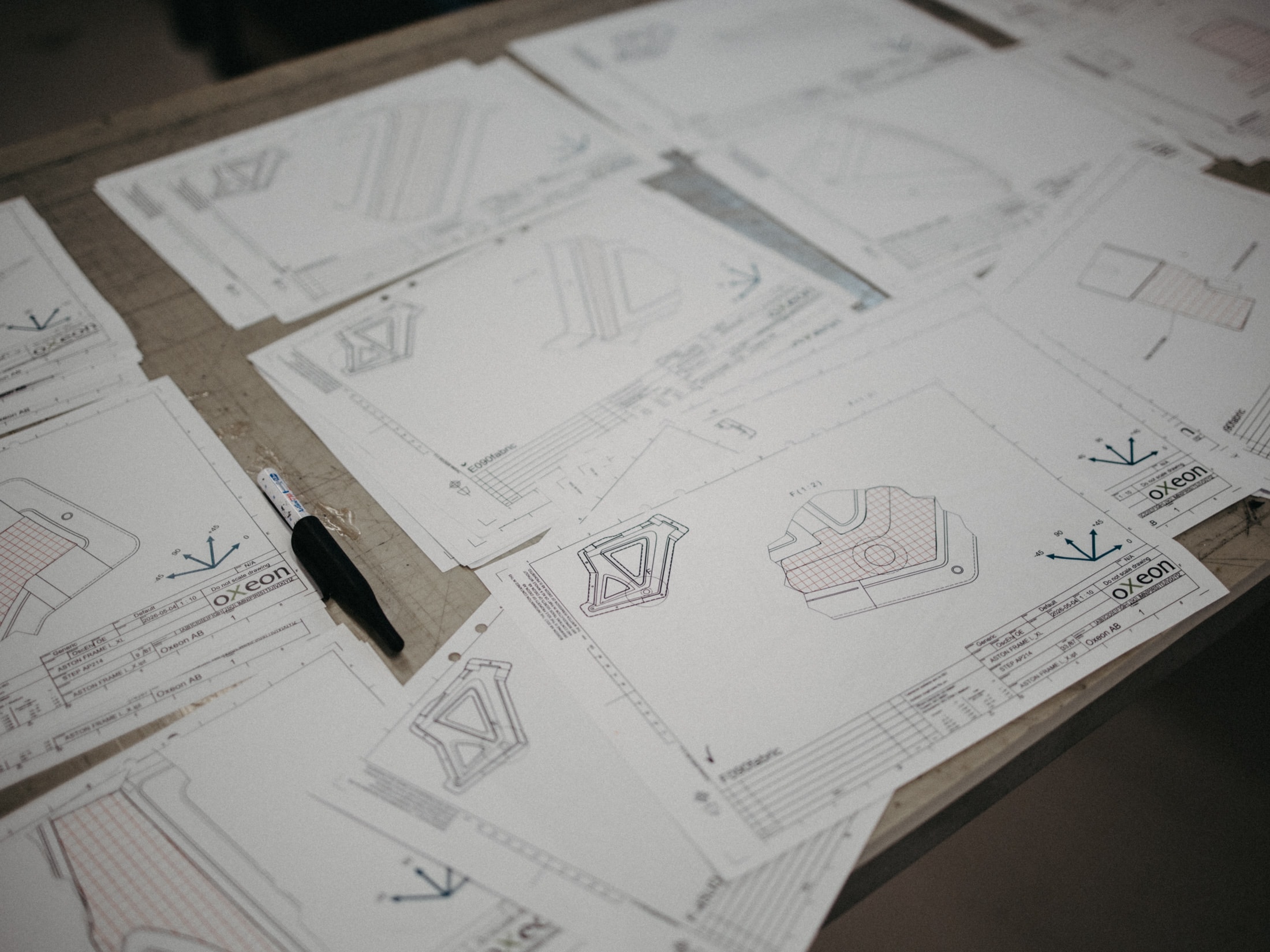
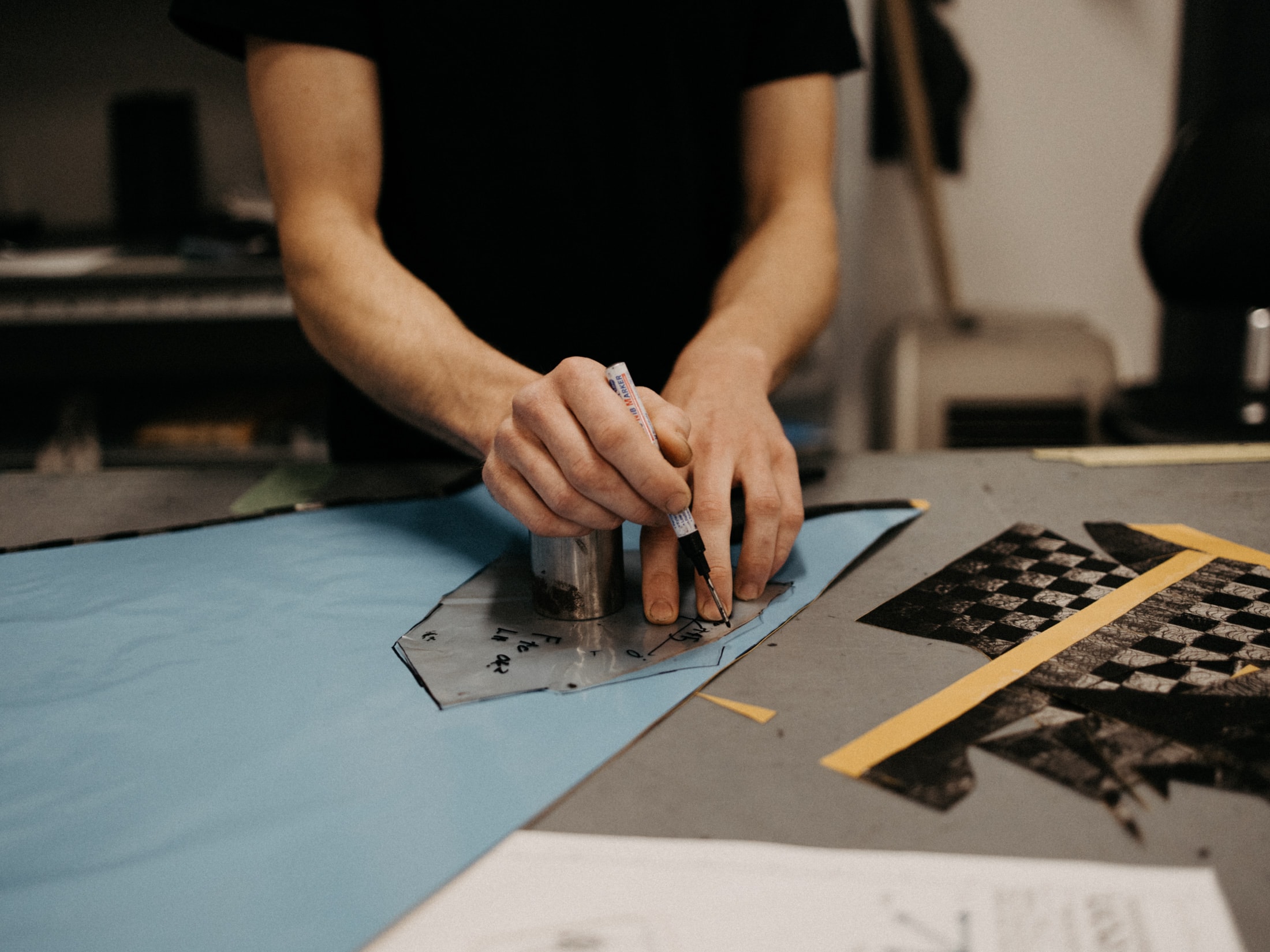
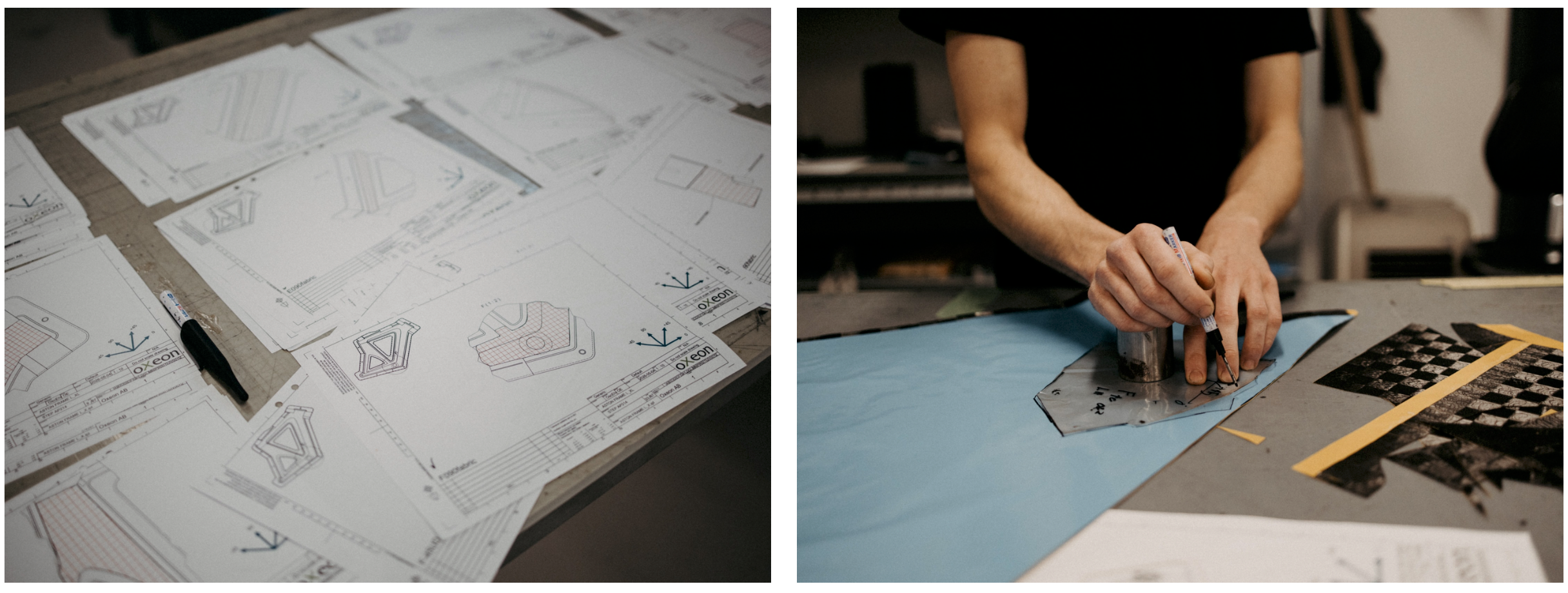
Every layer of carbon fibre has a specific position, orientation and purpose. To ensure each piece is placed exactly where it belongs, a detailed layup plan - often referred to as a plybook - is followed. Developed together with TeXtreme®, it defines the construction process step by step.
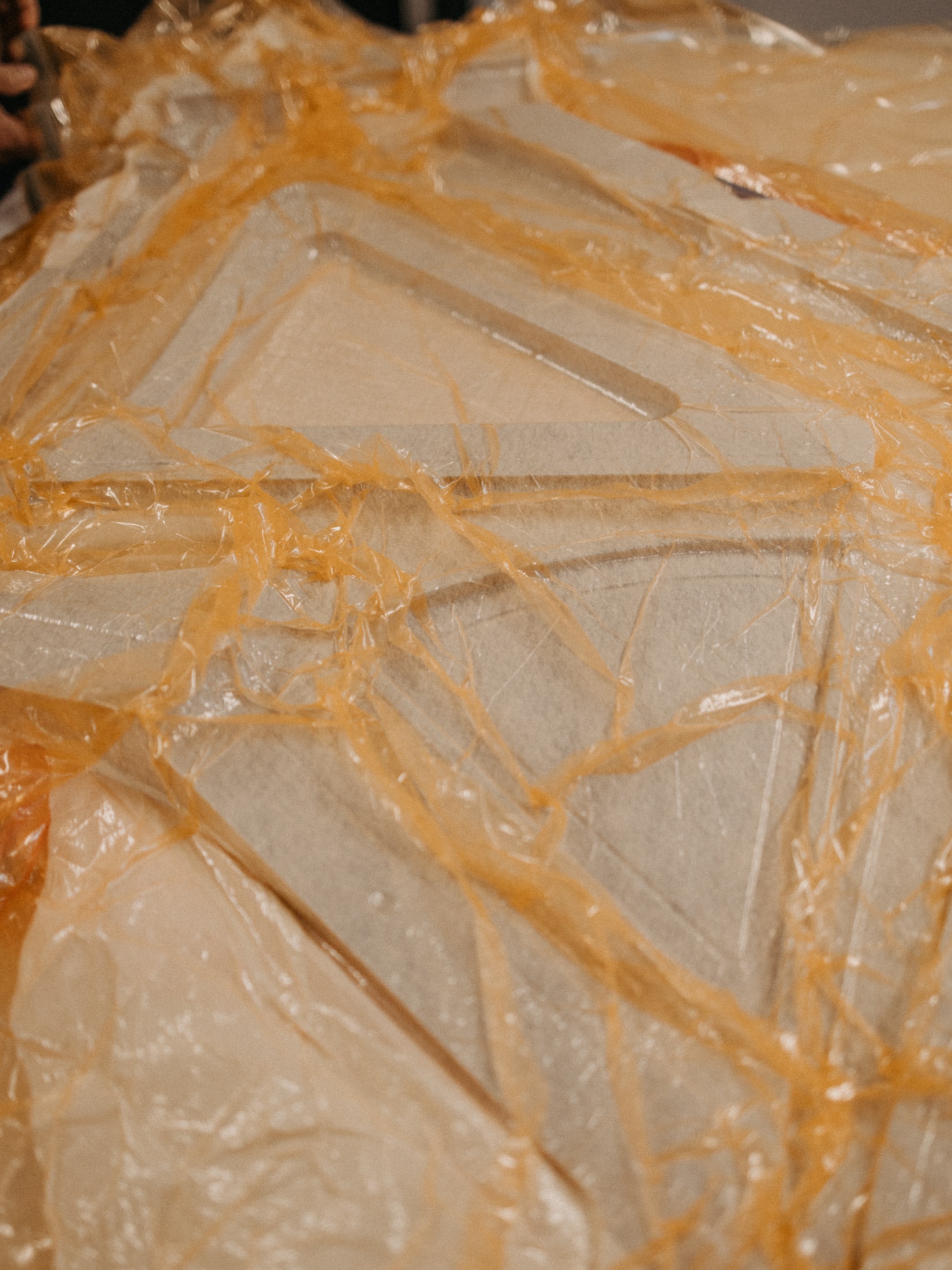
After approximately three to five layers, the component undergoes a vacuum de-bulking process. This compresses the material and ensures the layers are tightly consolidated without trapped air before the layup continues.
Then the process is repeated. Again. And again.
In the first frame, each mould half consists of 24 layers of carbon fibre. In total, the frame is made up of approximately 400 individual patches distributed across 21 different sections.
It's also worth remembering that this is still a prototype. Unlike a production frame, the first frame has been deliberately built with an extra margin of safety.
“The prototype is built so we can push it hard right from the start while gathering as much knowledge as possible for the next stage of development.”
- Lars Idmyr, Aston Harald
Bringing the Frame to Life
Once every layer has been laid in place, one important step still remains before curing can begin.
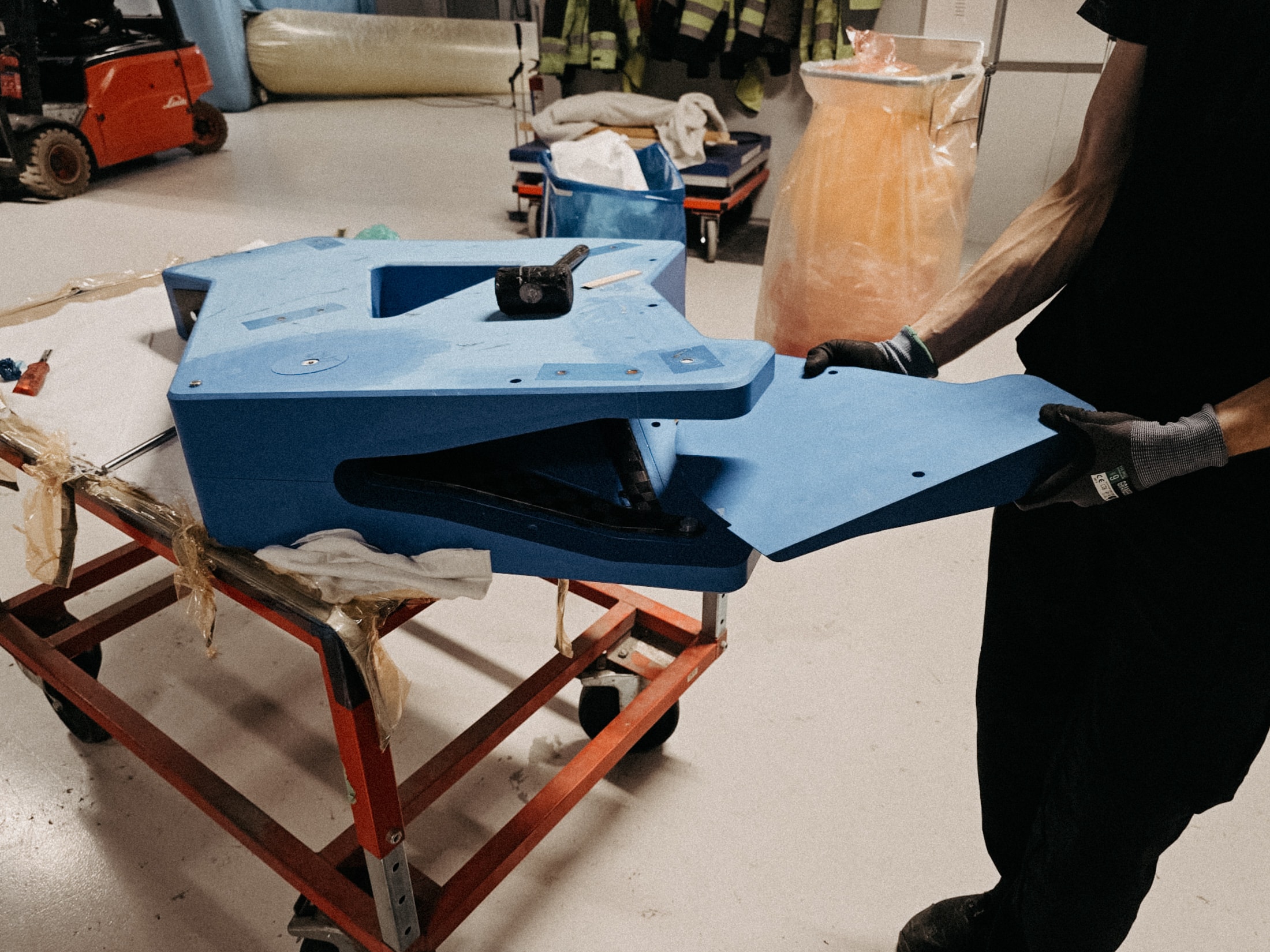
An internal pressure bladder is positioned inside the layup. During curing, it will generate pressure from within the frame. The two mould halves are then brought together and the tool is closed.
For the first time, it truly begins to look like a bike frame.
What started as an idea several chapters ago has now taken physical shape. Beneath the closed mould lie all 400 carefully cut pieces of carbon fibre, positioned according to the layup plan and ready for the next stage of the process.
The frame is now ready for the autoclave.
In the Autoclave
Once the mould is closed, it's time for the next stage of the process - curing.
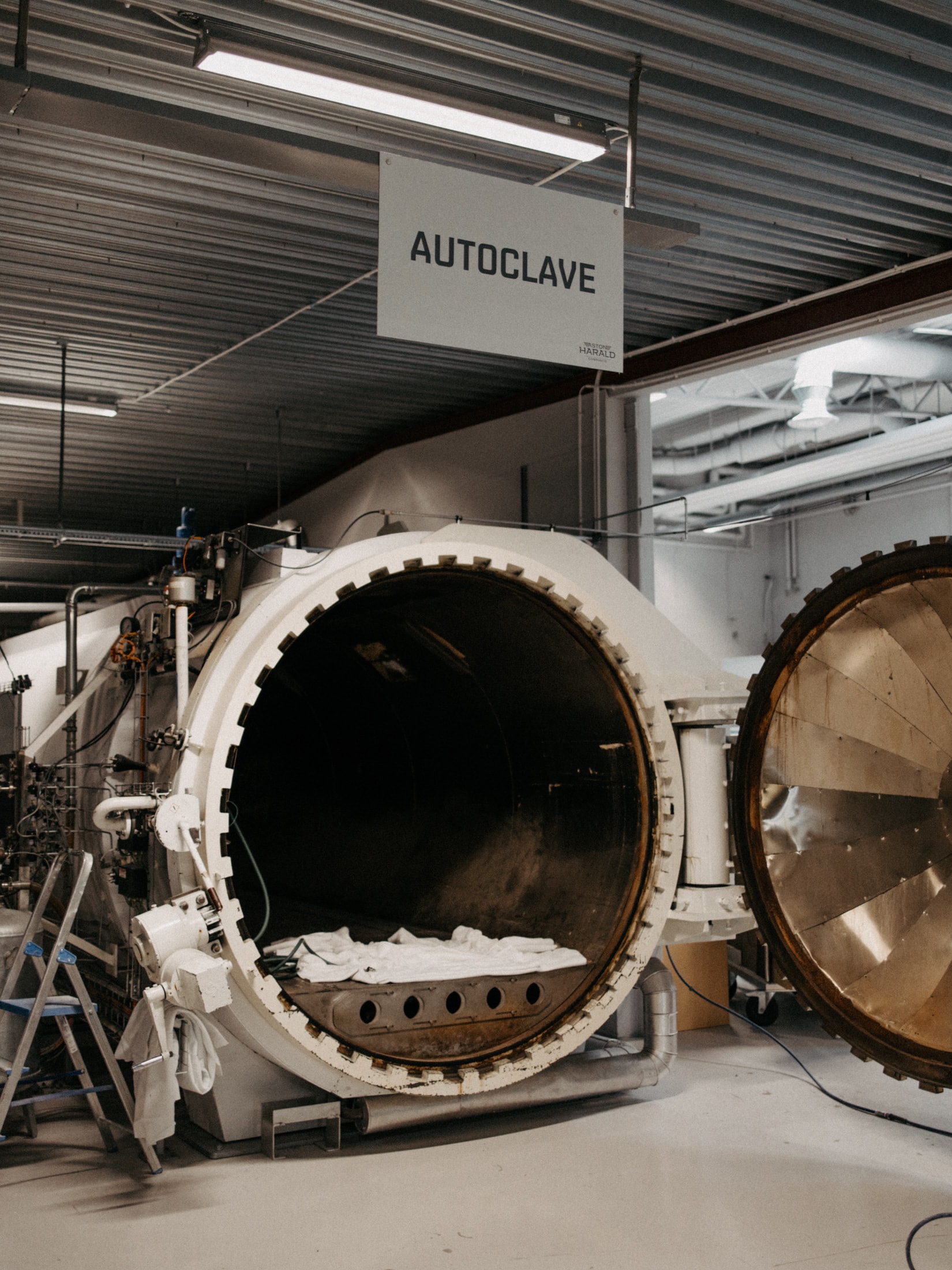
The frame is placed in an autoclave, where heat, vacuum and pressure transform the many layers of carbon fibre into a single, unified structure.
For the first frame in The Swedish Bike Project, the curing process took nearly sixteen hours. A production frame will be manufactured much more efficiently, but at the prototype stage, refining and evaluating the manufacturing process is just as important as developing the frame itself.
“For us, the project isn't just about creating a light, stiff and fast bike. It's equally about continuing to refine and optimise the manufacturing process for the frames to come.”
- Jens Allroth, Aston Harald
The Final Details
Once curing is complete, the mould is opened and the frame is removed.
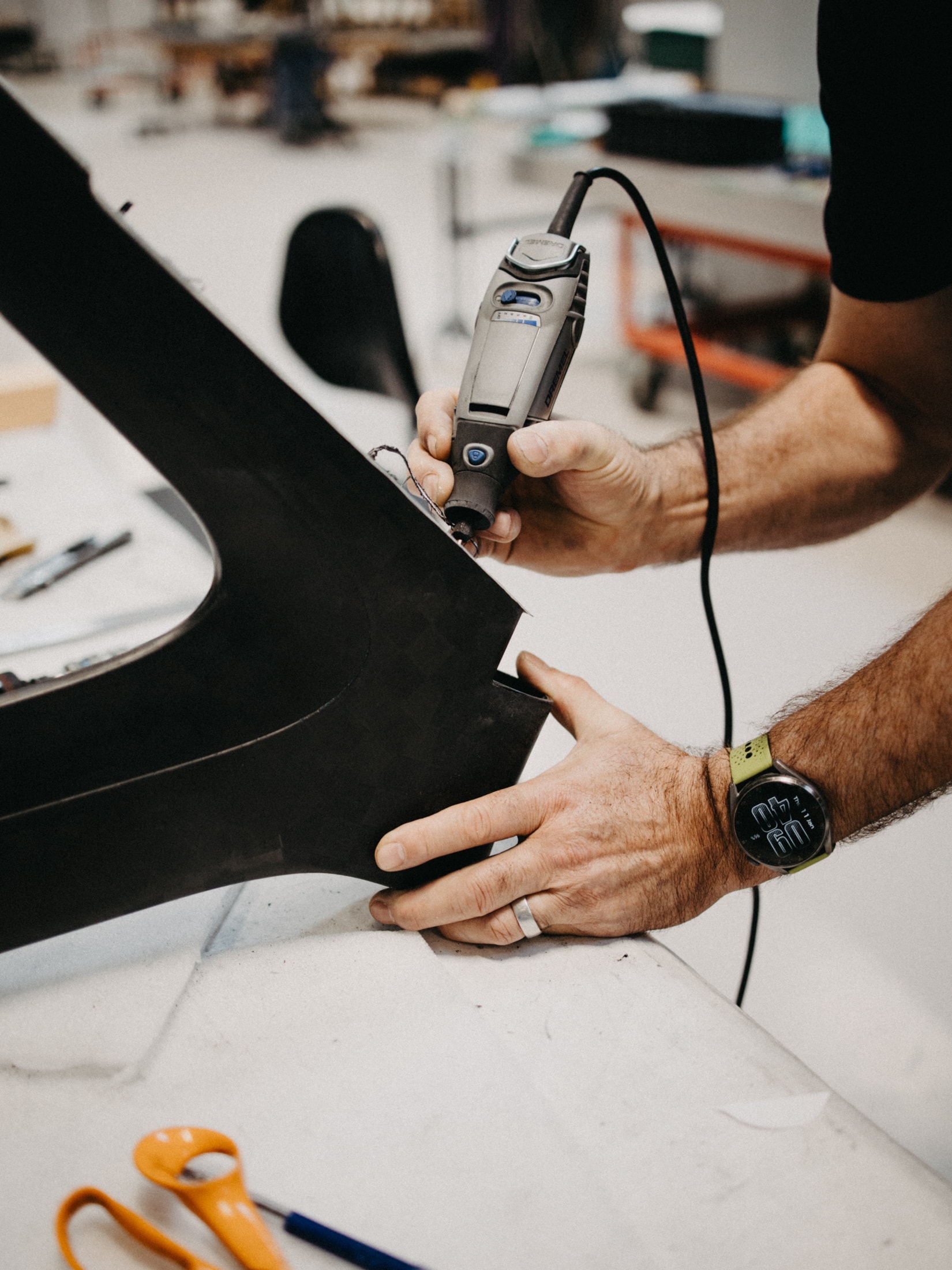
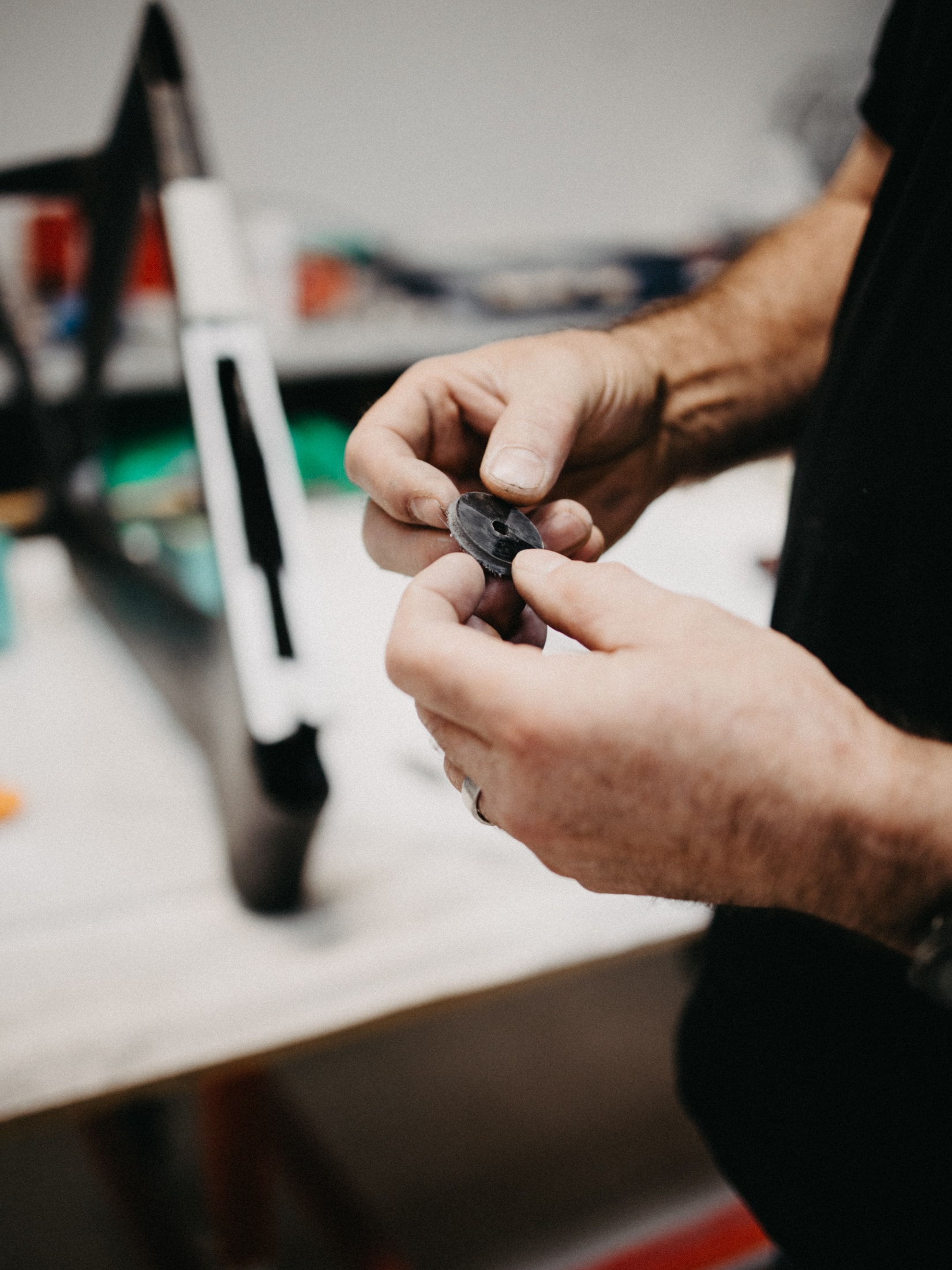
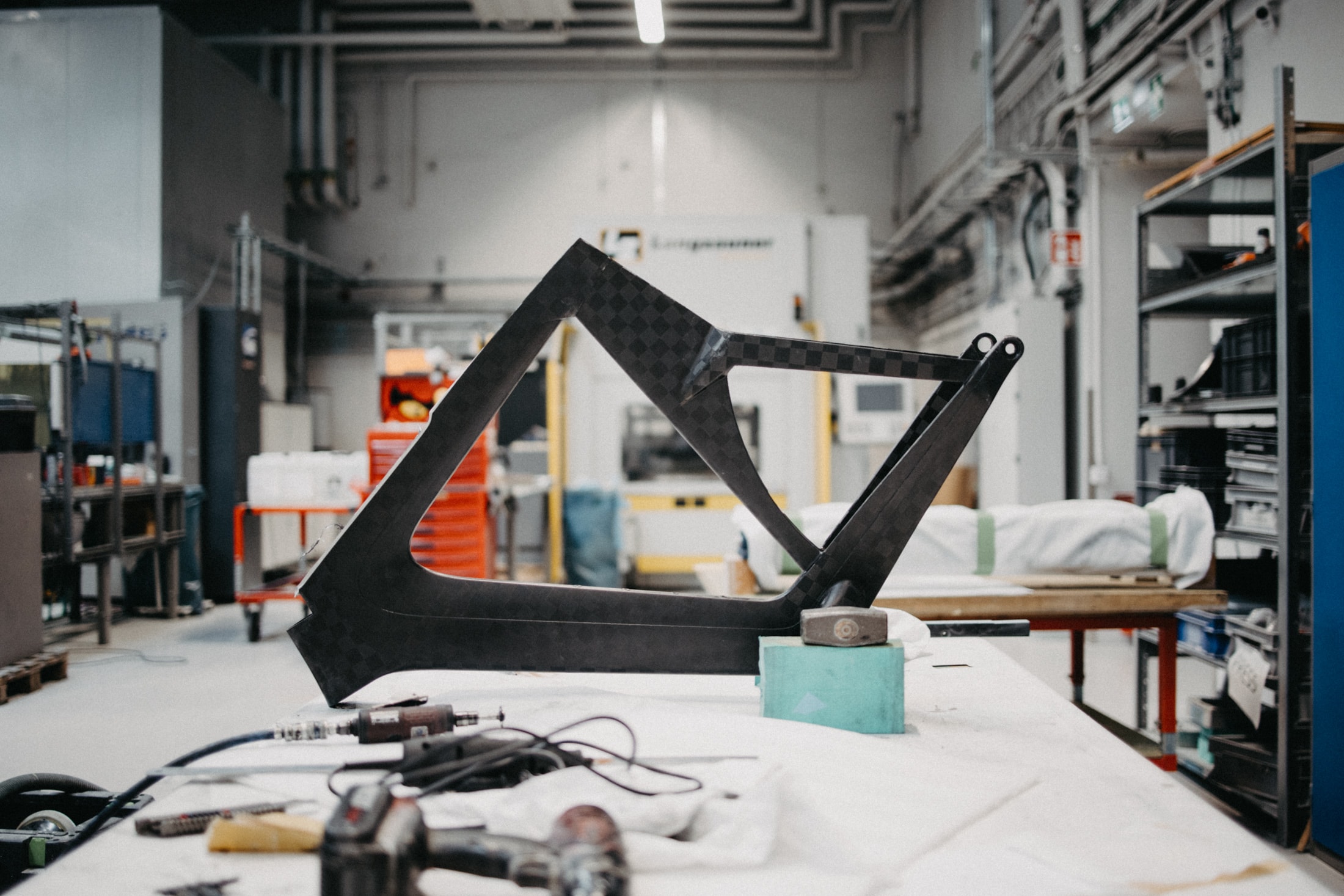
Any surface imperfections are carefully sanded by hand, and excess material is trimmed away. The machining process then begins, creating openings for components such as the headset and bottom bracket.
Step by step, the frame is refined into its final form.
And There It Is.
What began as an idea has, through sketches, prototypes, tooling and countless hours of development, become a finished carbon fibre frame.
The first milestone has been reached.
And the journey continues.
Press Contacts
Allebike / Vincents Alingsås
Jessica Blomqvist
Email: jessica@allebike.se
TeXtreme
Tomas Josefsson
Email: tomas.josefsson@textreme.com
Aston Harald Composite
Lars Idmyr
Email: lars.idmyr@astonharald.com
Cliff Models
David Halling
Email: david.halling@cliffmodels.com
MODELCO
Carl-Johan Stråhle
Email: carl-johan@modelco.se