The Swedish Bike Project began as an idea to explore what is actually possible when development, materials and manufacturing are brought together in a new Swedish context. A project with the ambition not only to design an advanced carbon fibre frame - but to gradually develop the conditions required to produce it entirely in Sweden.
In the first chapter we introduced the vision behind the project and presented the partnership with Aston Harald Composite - a partner whose experience in advanced composite manufacturing makes the project possible.
In chapter two we took a deeper look at the material selection and why we chose to work with TeXtreme® carbon fiber - a material used in some of the world’s most demanding applications.
In the third chapter the project began to take physical form. From the first sketches and CAD models to the 3D-printed prototype that made it possible to experience the bike’s proportions, lines and overall presence in reality for the very first time.
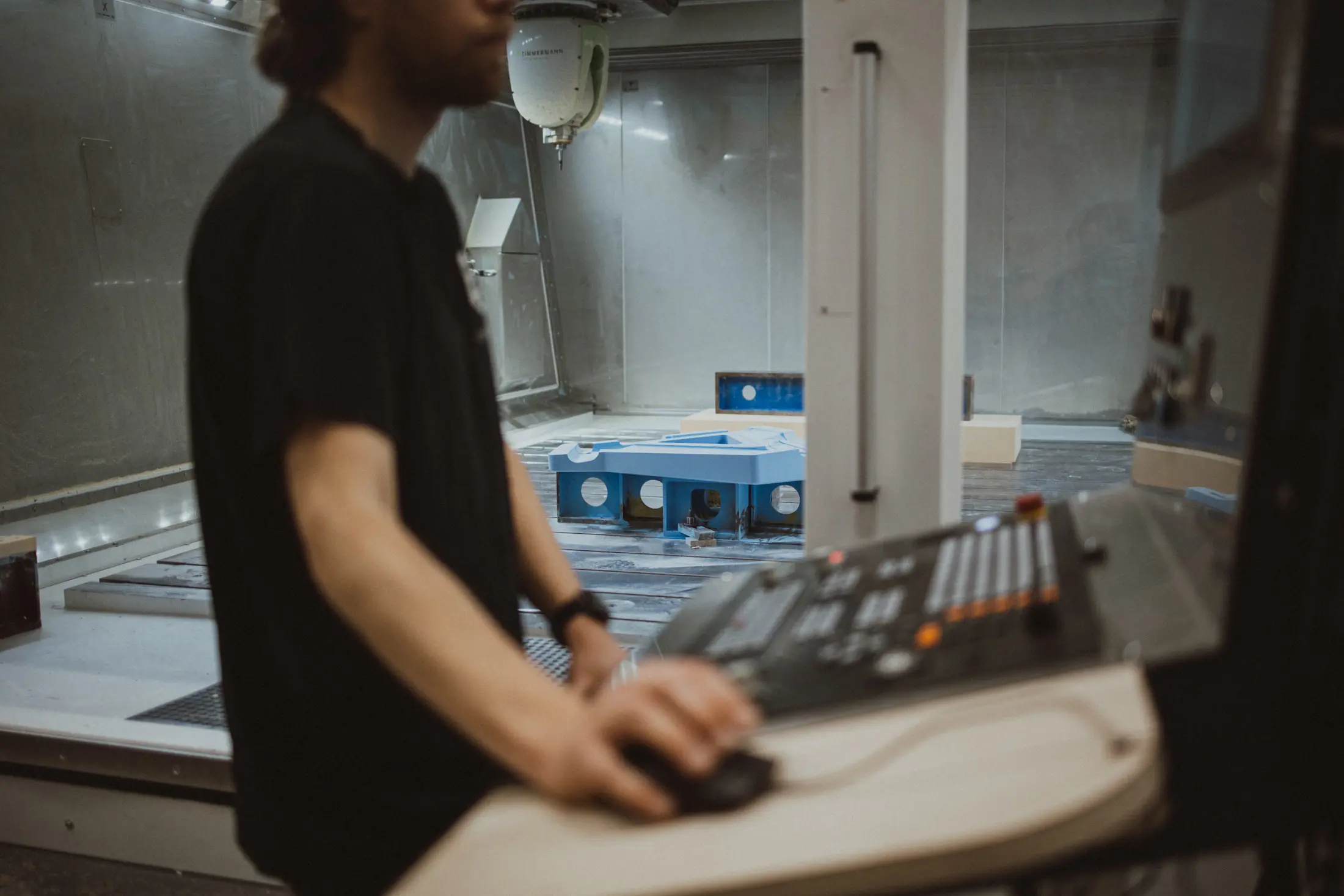
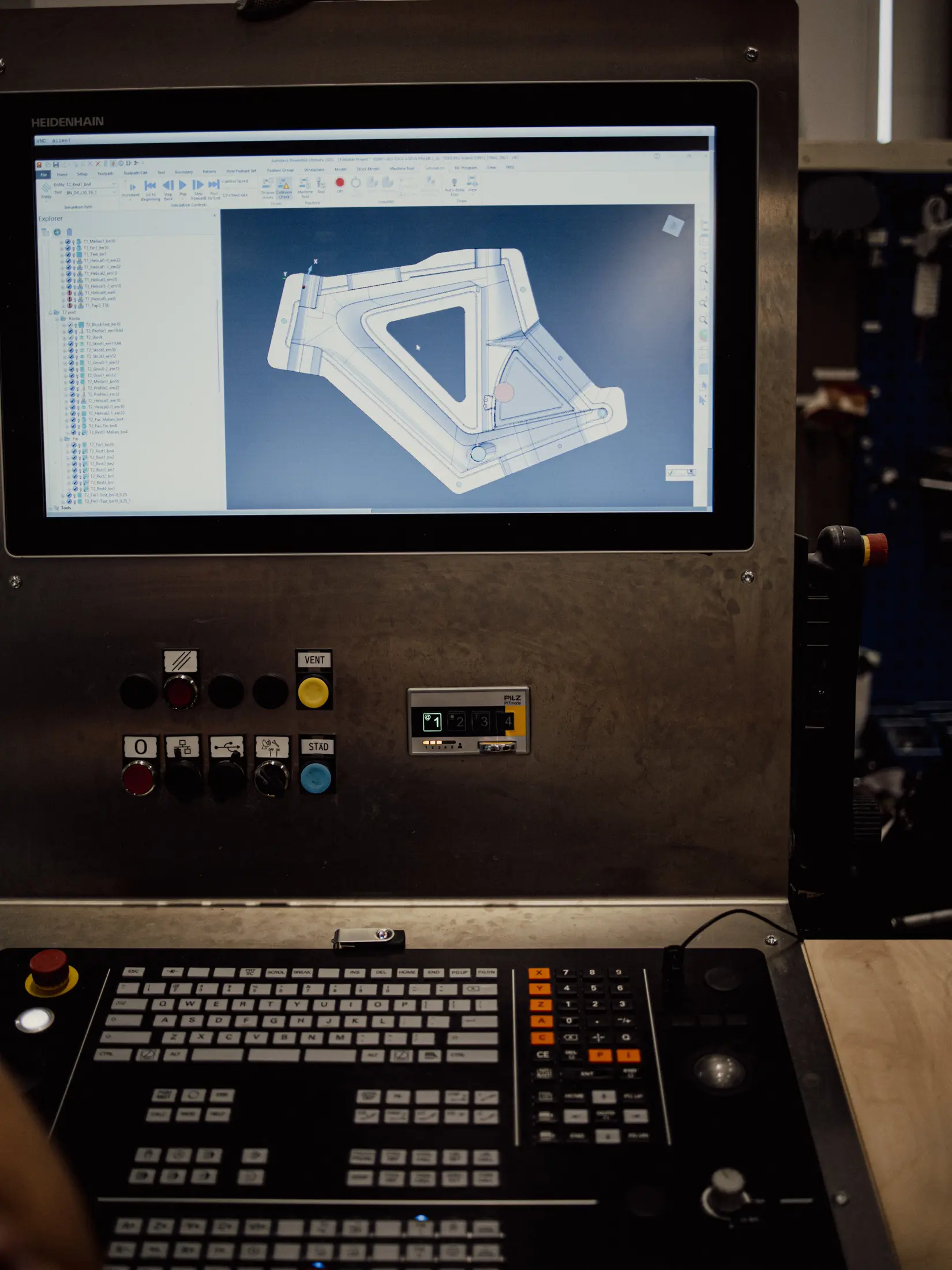
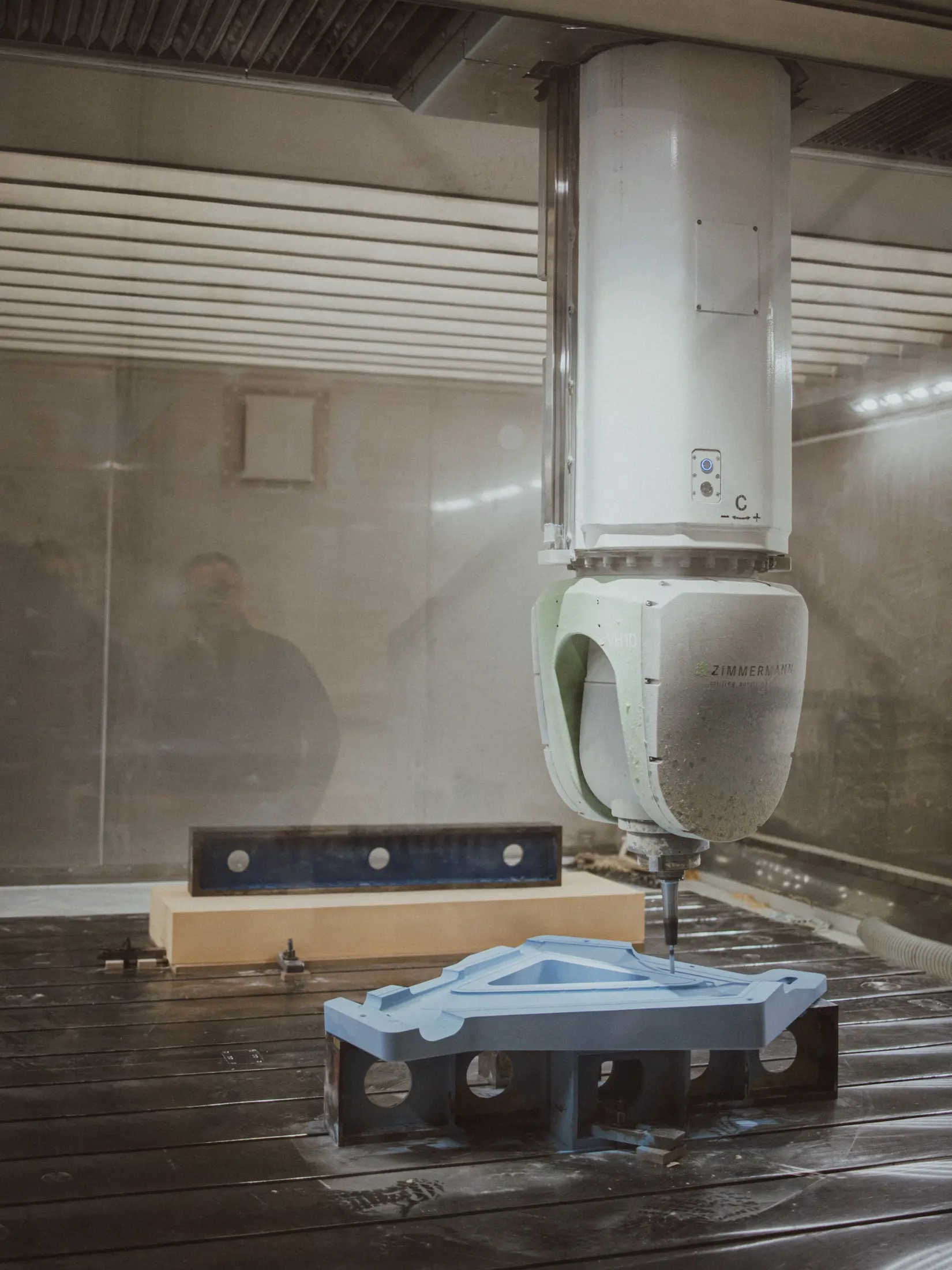
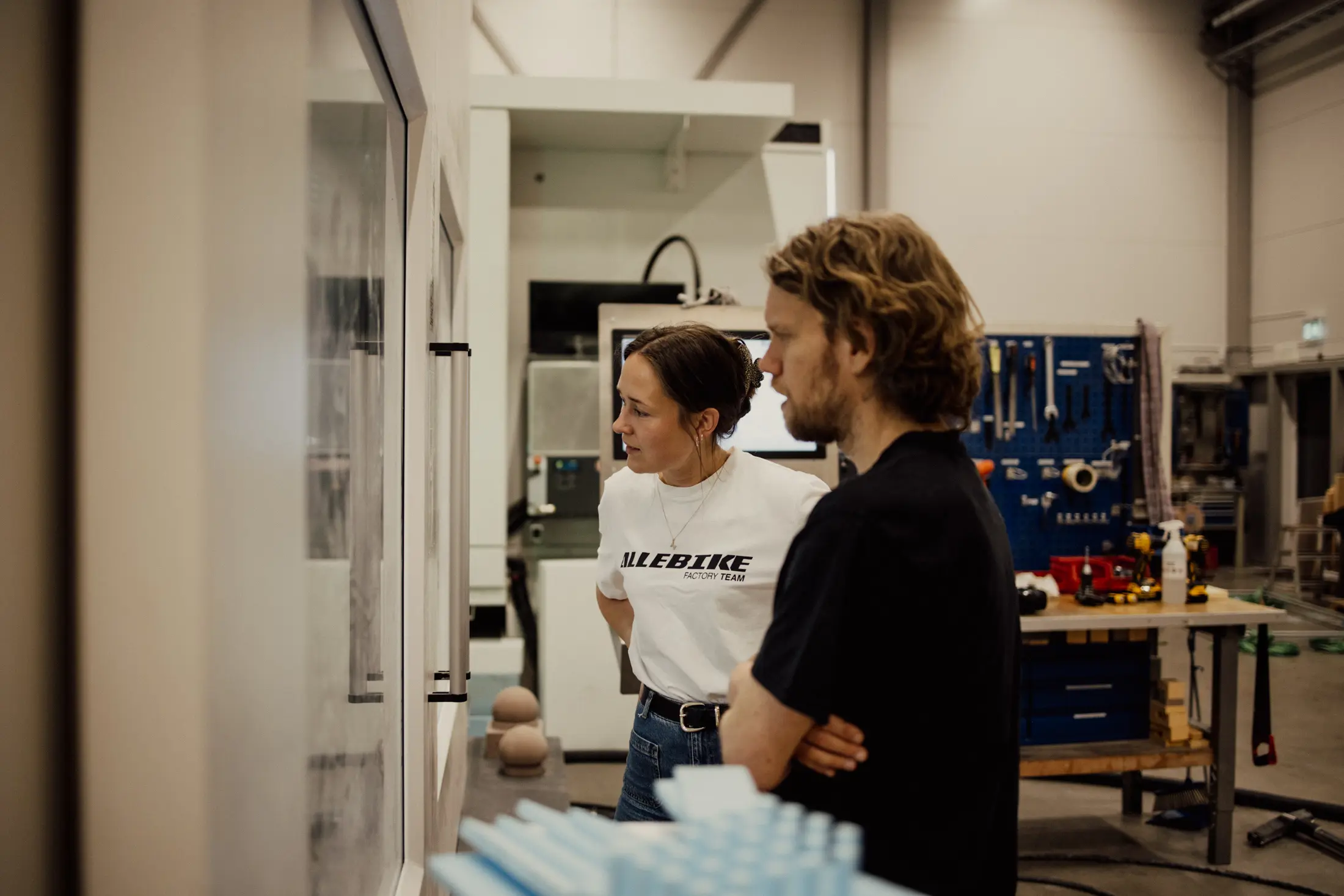
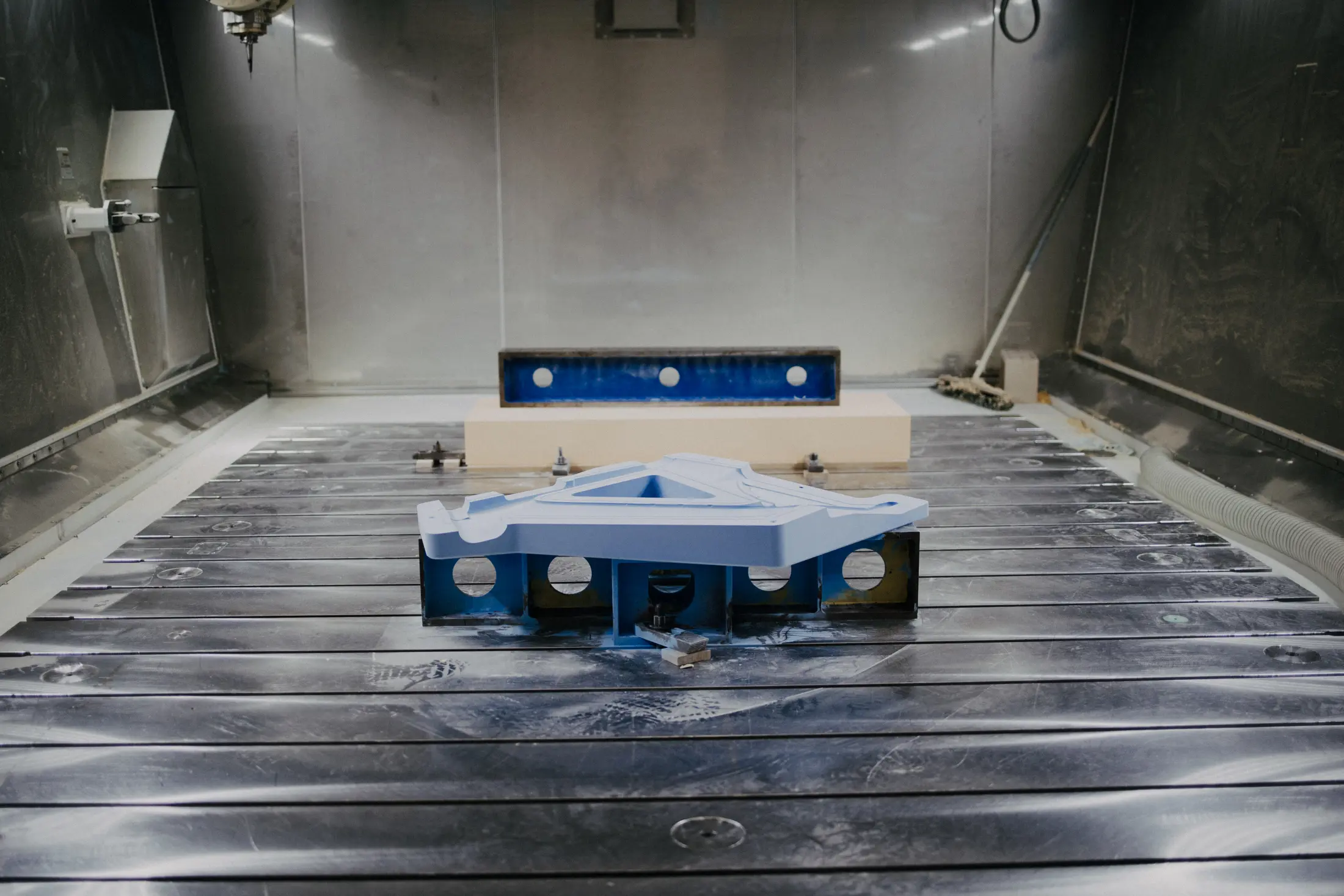
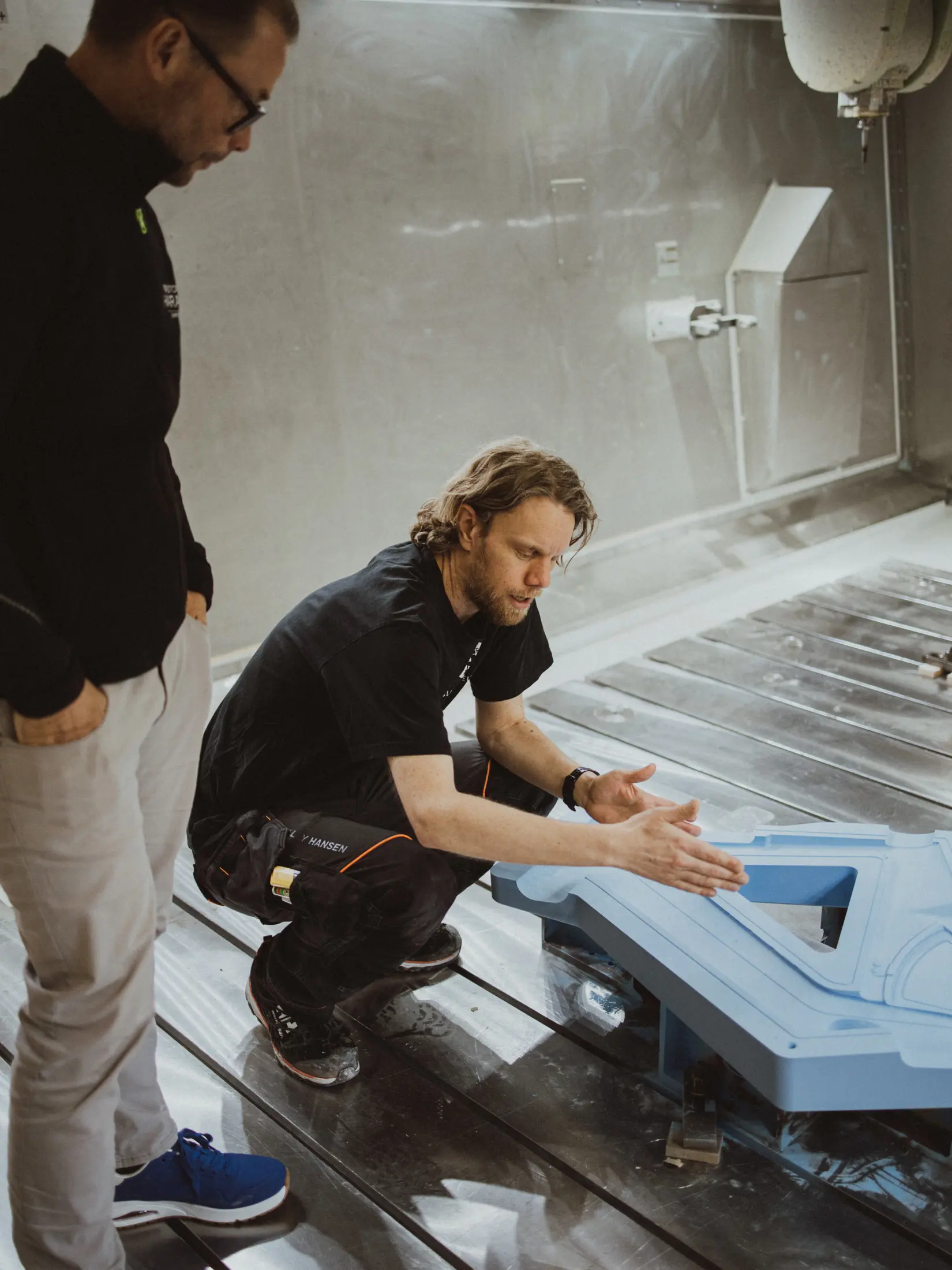
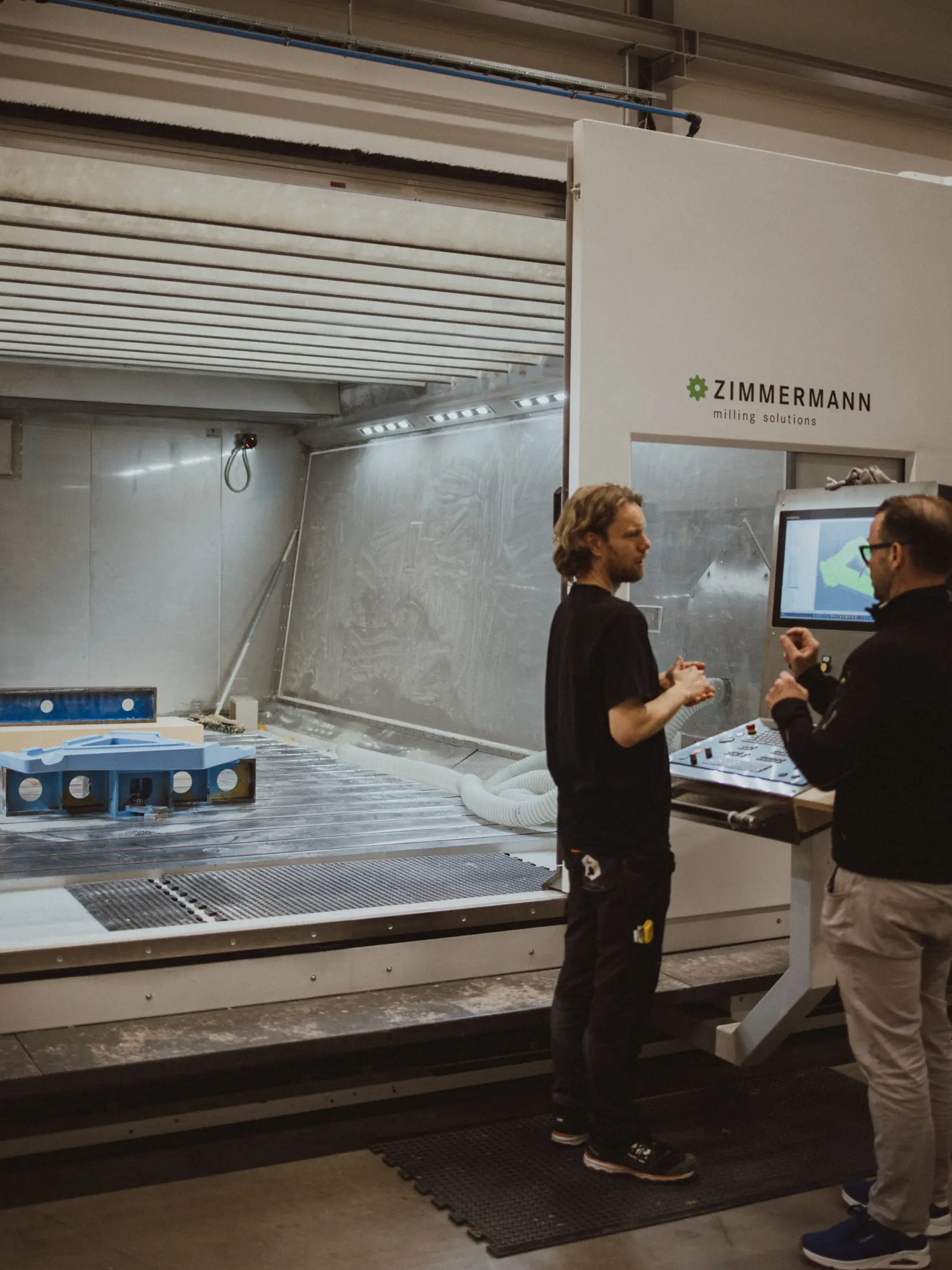
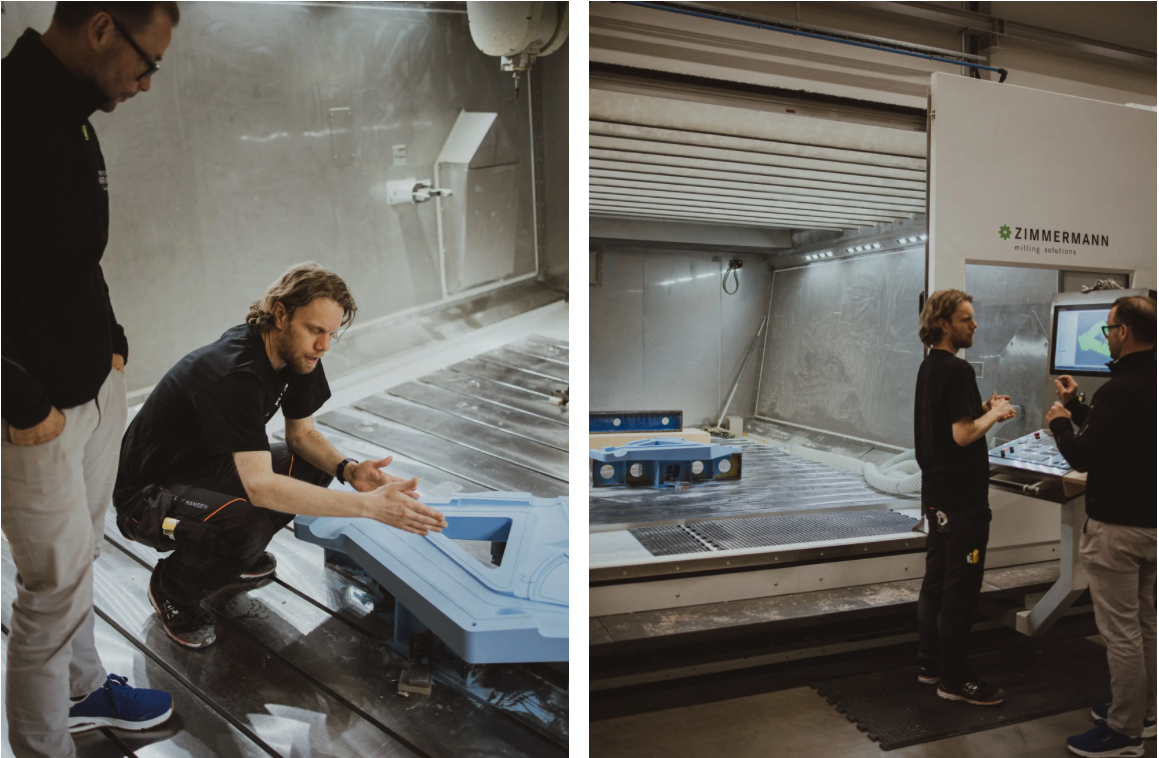
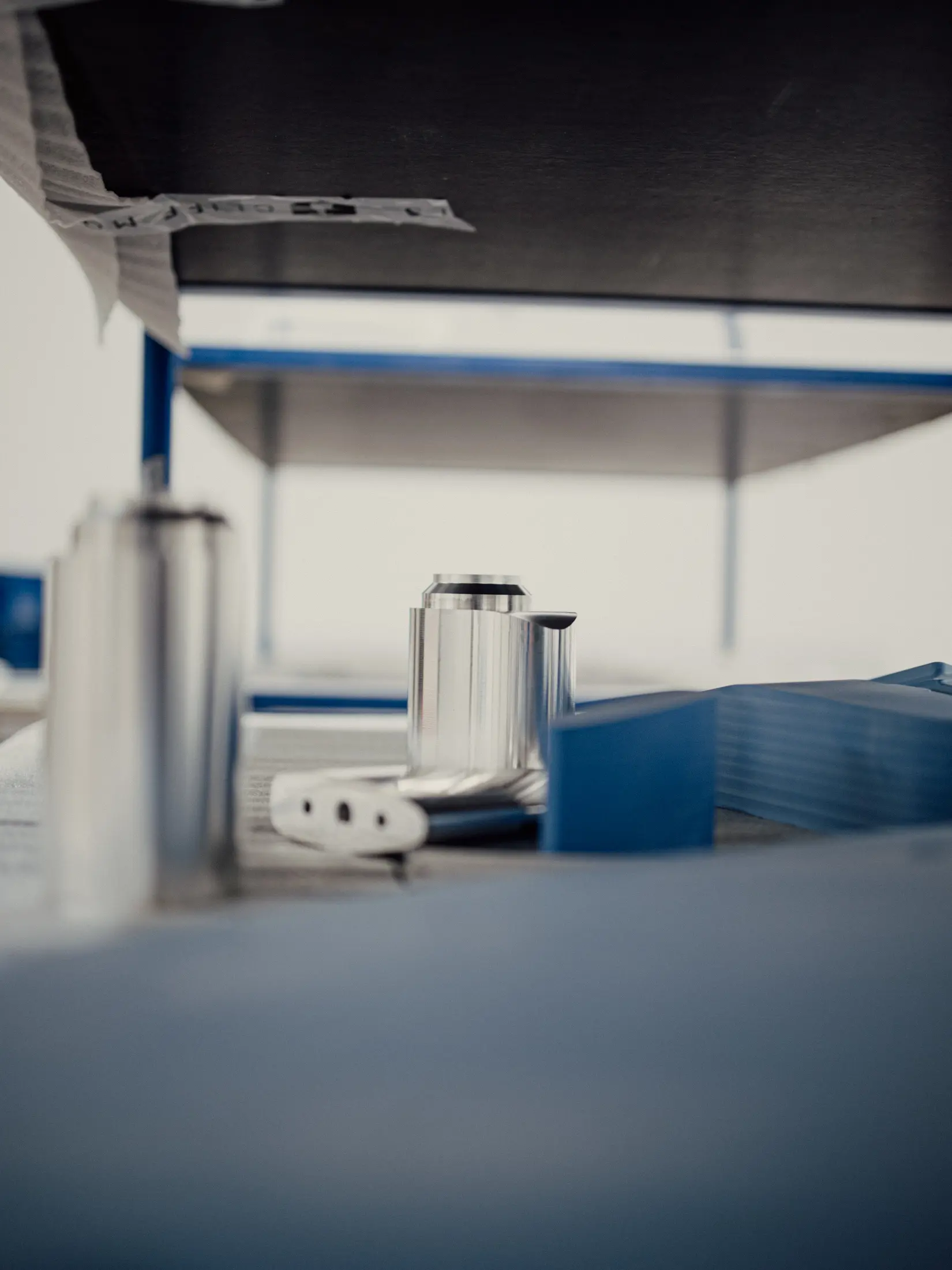
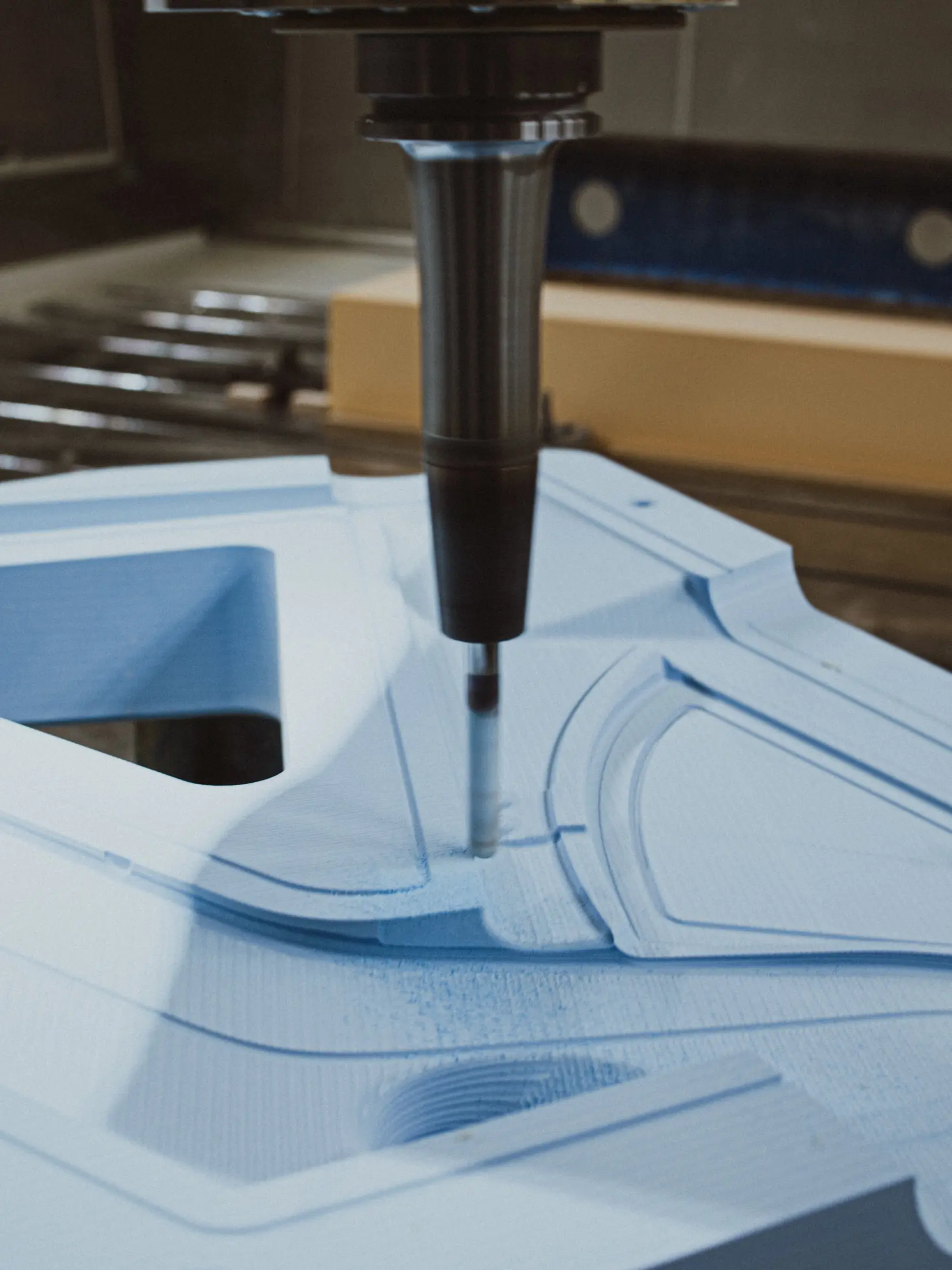
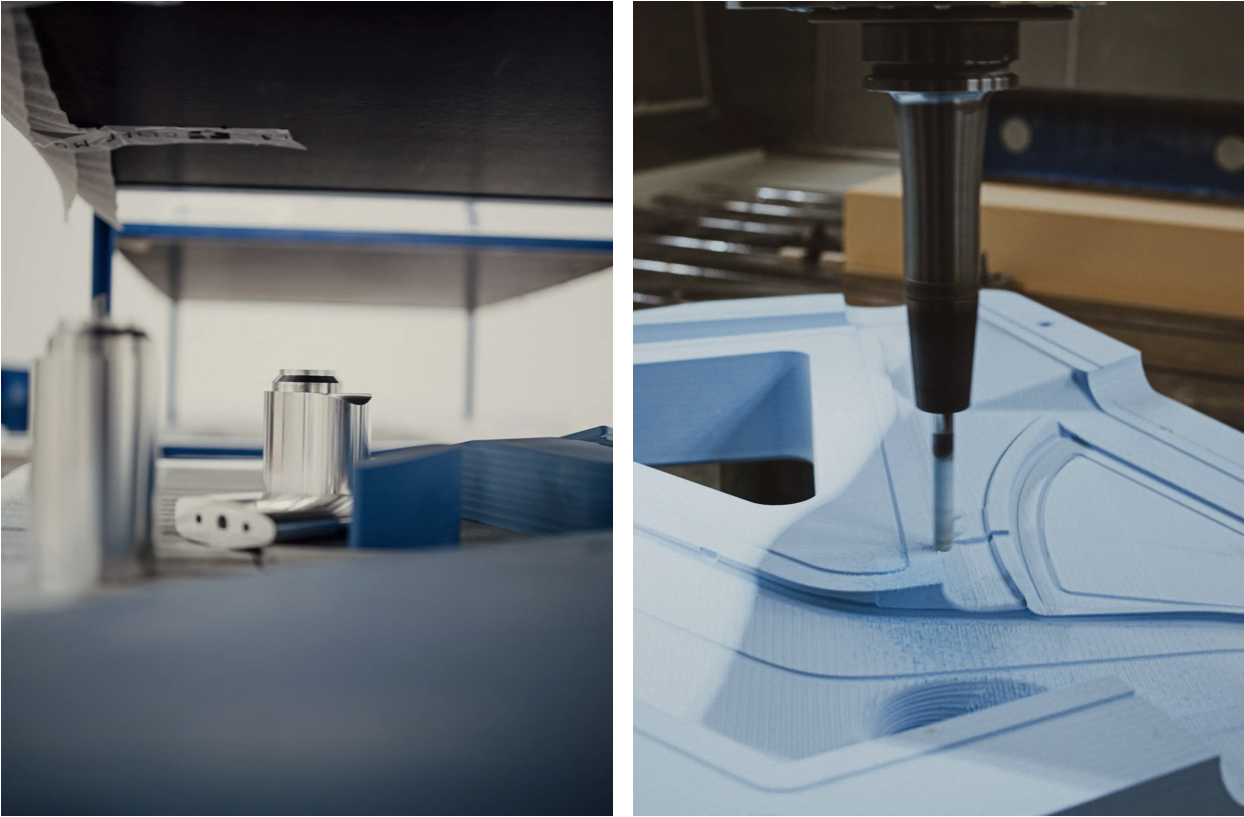
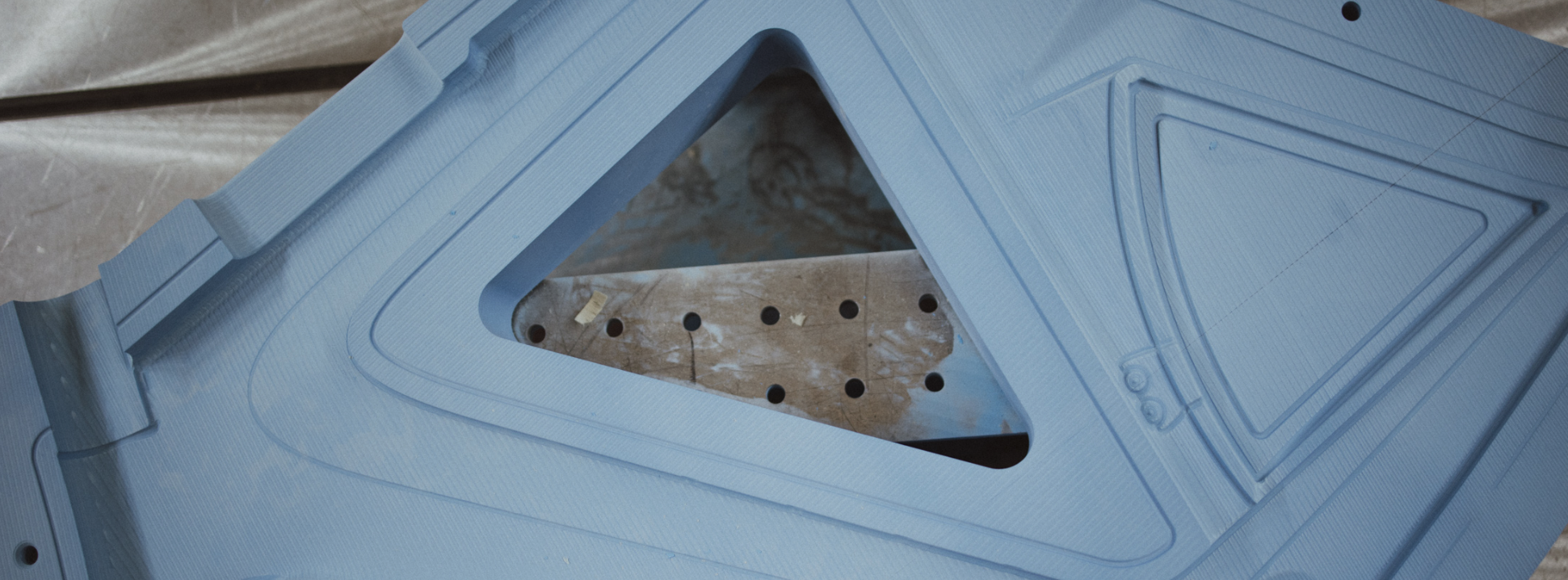
With the design defined and the 3D prototype in place, the project now moves on to the next major step in the process. The work on the tools and moulds that will form the foundation of the carbon fibre frame manufacturing now begins.
This is where chapter 4 of The Swedish Bike Project begins - Tooling.
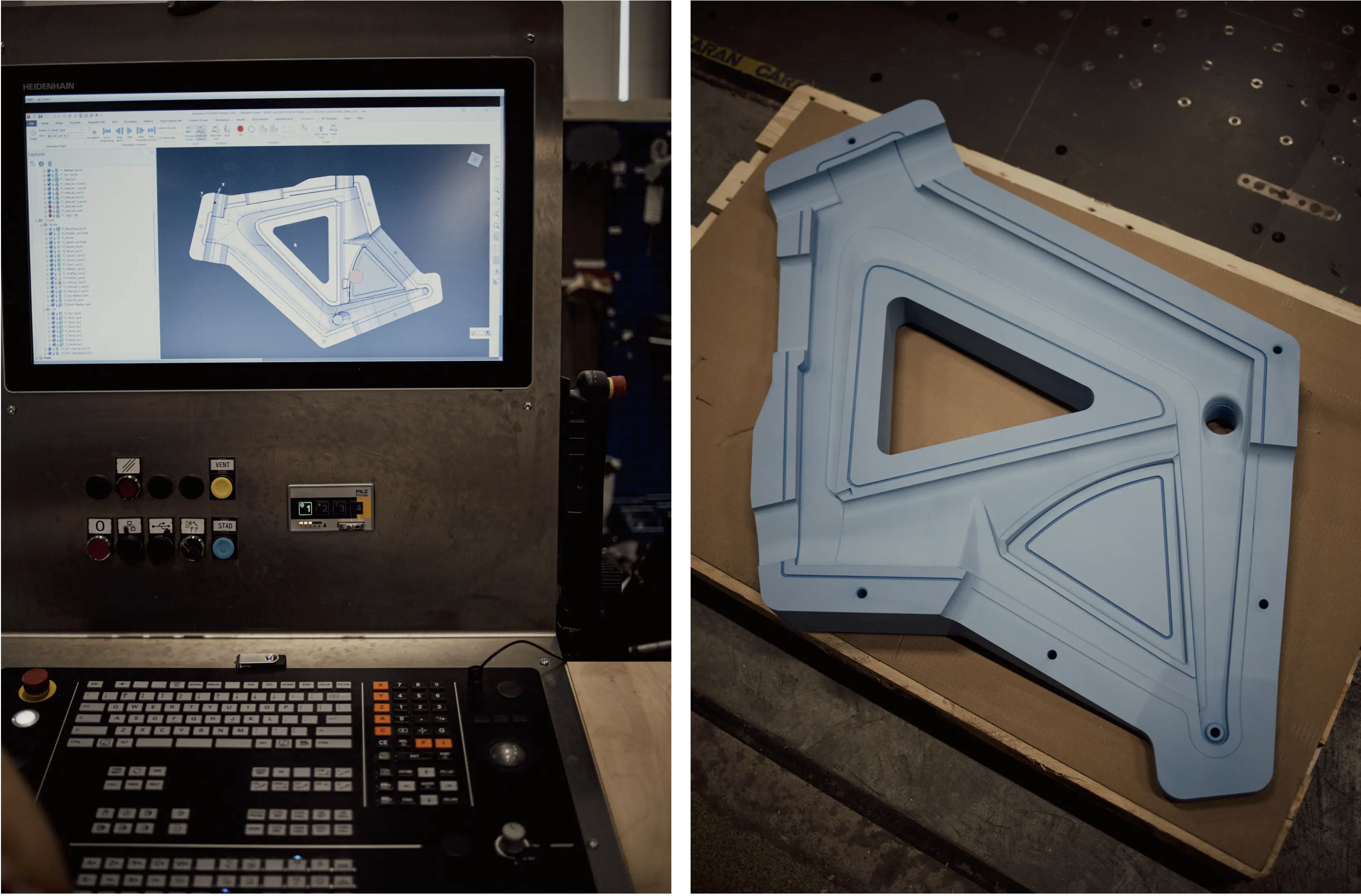
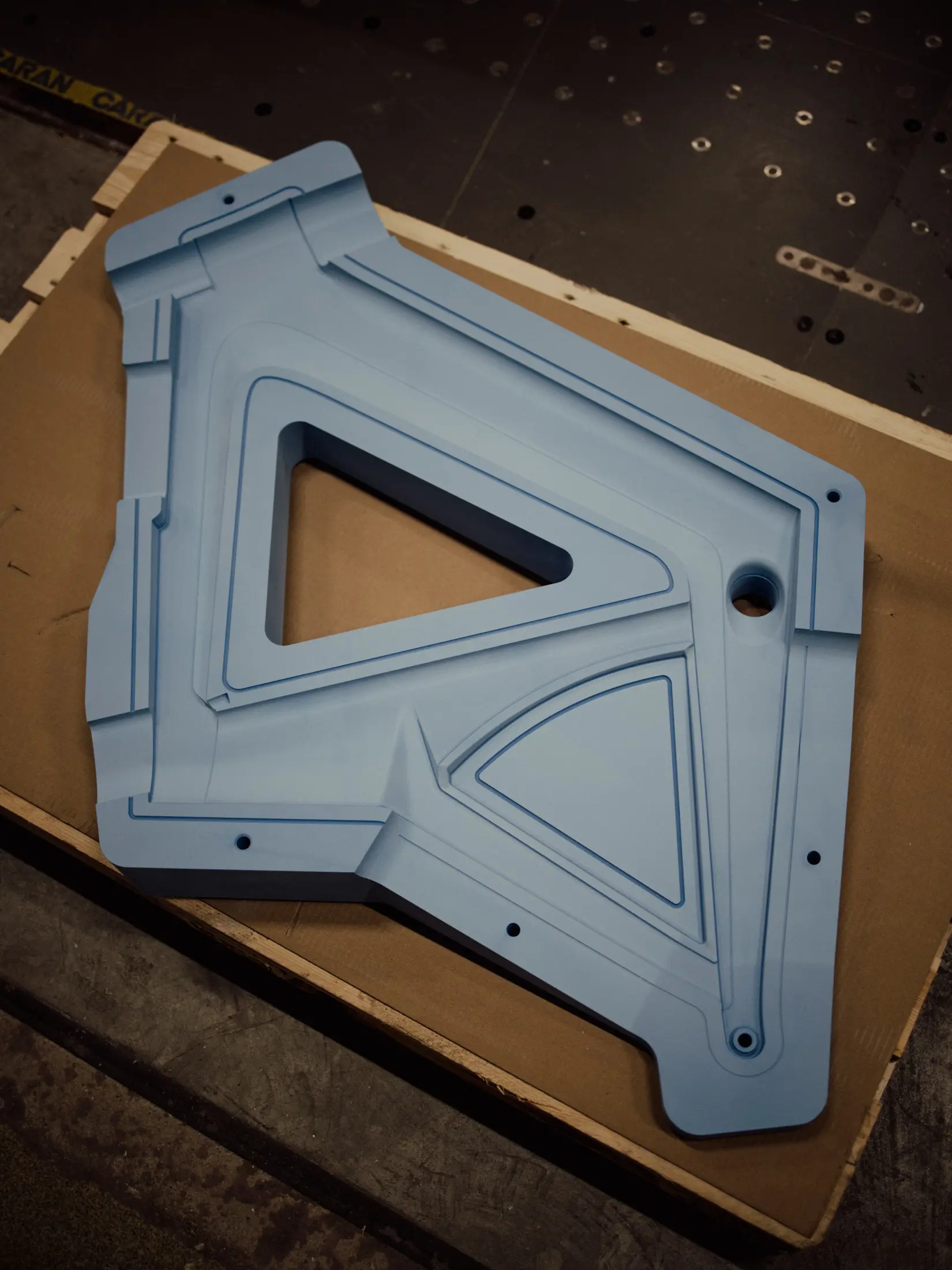
To manufacture the moulds, materials supplied by Swedish company MODELCO are used - a family-owned business specialised in advanced materials for tooling, prototyping and composite manufacturing.
With customers across the automotive, aerospace and composite industries, they work daily with materials developed for advanced applications with exceptionally high technical demands.
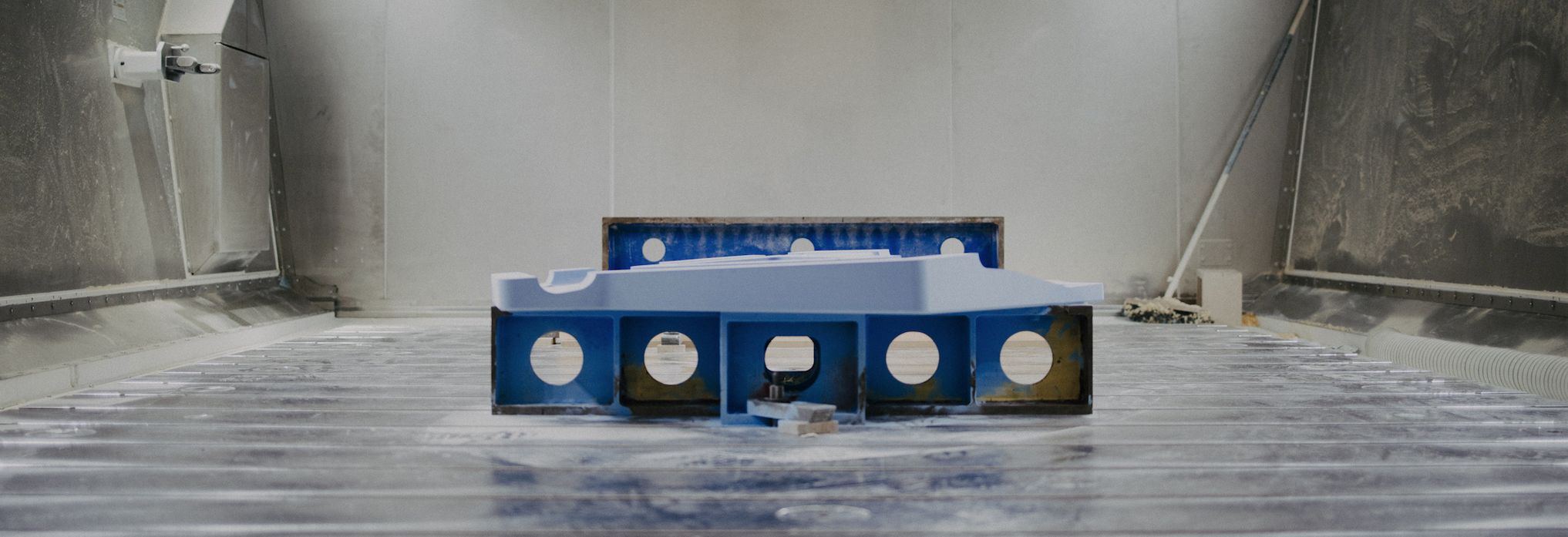
For the moulds, an epoxy-based tooling board is used - developed for processes where dimensional stability, surface finish and temperature resistance are critical throughout manufacturing.
The material, RAKU® TOOL, was developed in close collaboration with Italian company Dallara - a name well known within advanced racing and composite engineering.
Its dense structure and high stability make it possible to create moulds with an exceptional level of detail, while allowing the material to retain its shape even as temperatures fluctuate during production.
These are qualities that become essential when tolerances are tight and every detail in the mould is later reproduced in the finished carbon fibre frame.
Press Contact
Allebike / Vincents Alingsås
Jessica Blomqvist
Email: jessica@allebike.se
TeXtreme
Tomas Josefsson
Email: tomas.josefsson@textreme.com
Aston Harald Composite
Lars Idmyr
Email: lars.idmyr@astonharald.com
Cliff Models
David Halling
Email: david.halling@cliffmodels.com
MODELCO
Carl-Johan Stråhle
Email: carl-johan@modelco.se