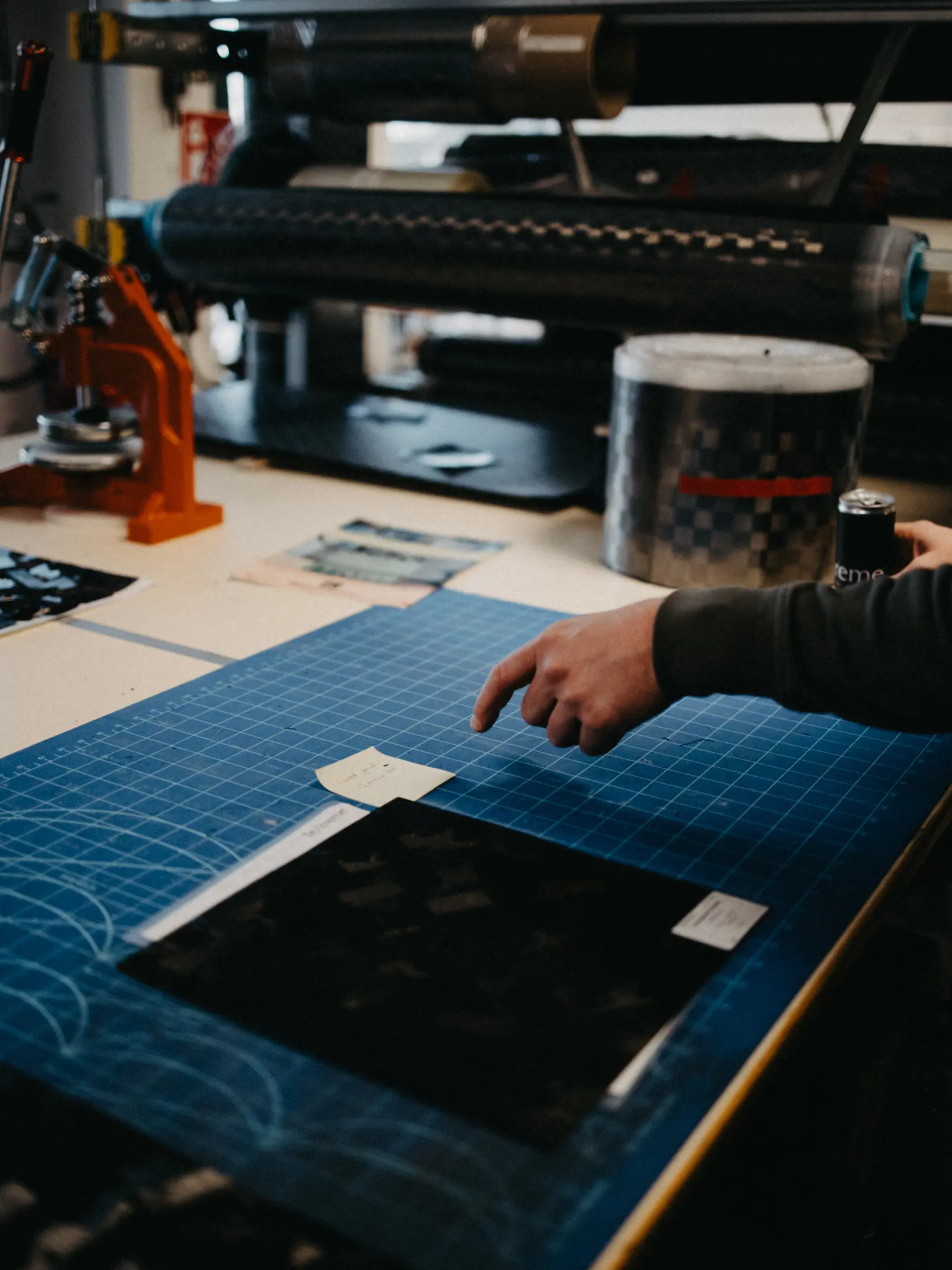
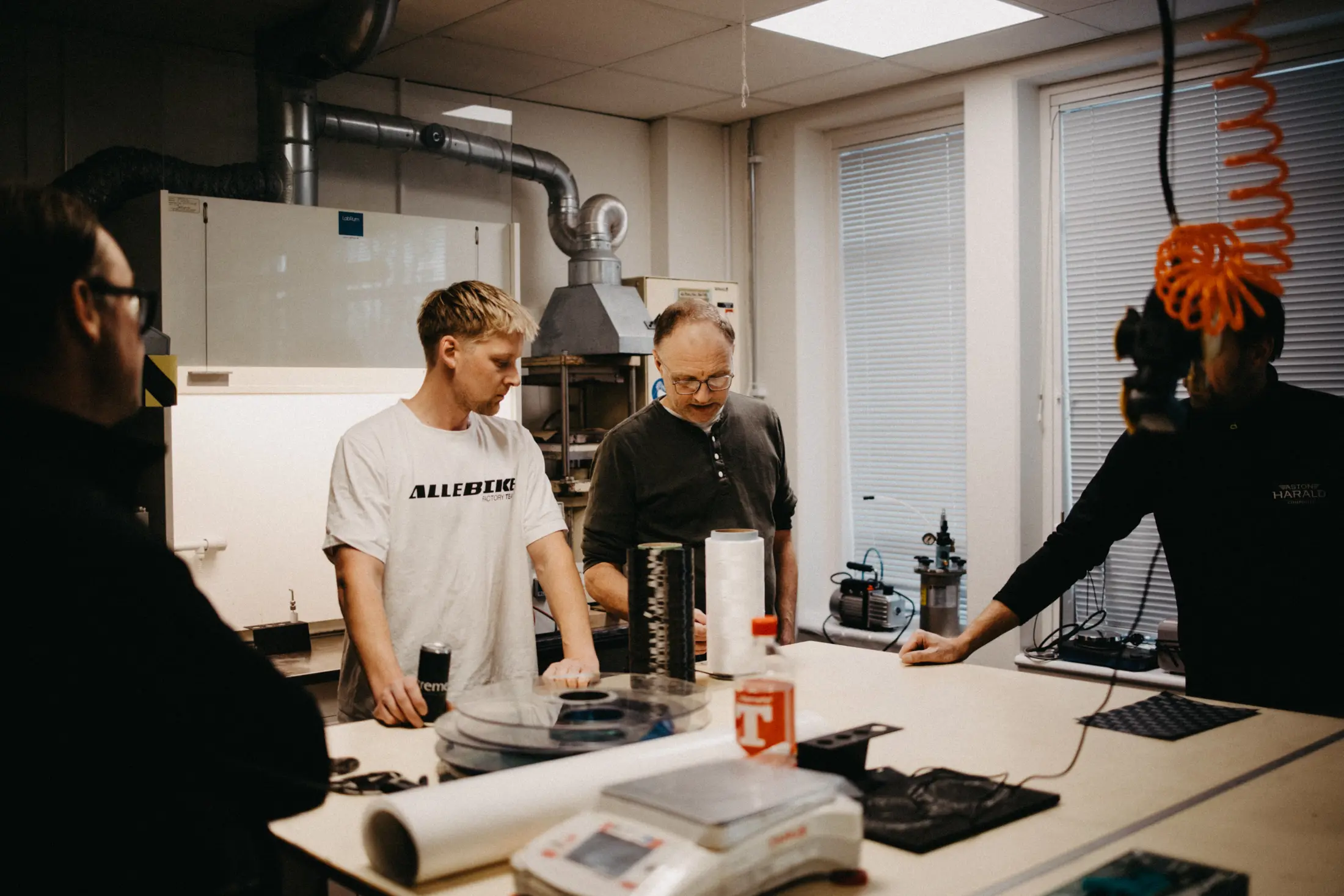
The ambition was clear from the beginning - to explore the possibilities of developing and producing carbon fiber frames in Sweden, together with Aston Harald Composite. From the first sketches to tooling, manufacturing and testing. The further we progressed in the project, the clearer one thing became: the possibilities extend even deeper. Into the material, into the fibers that carry the load.
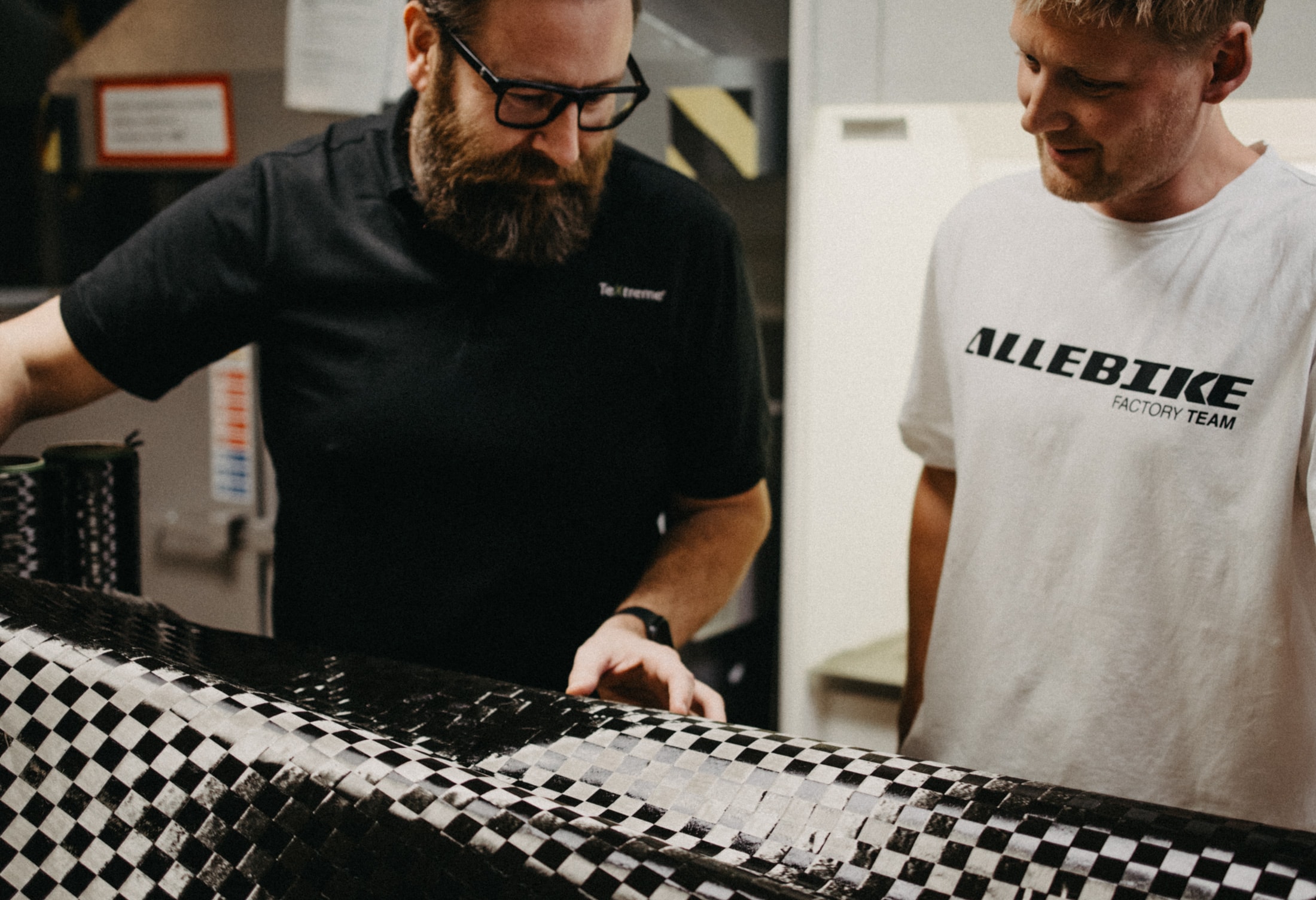
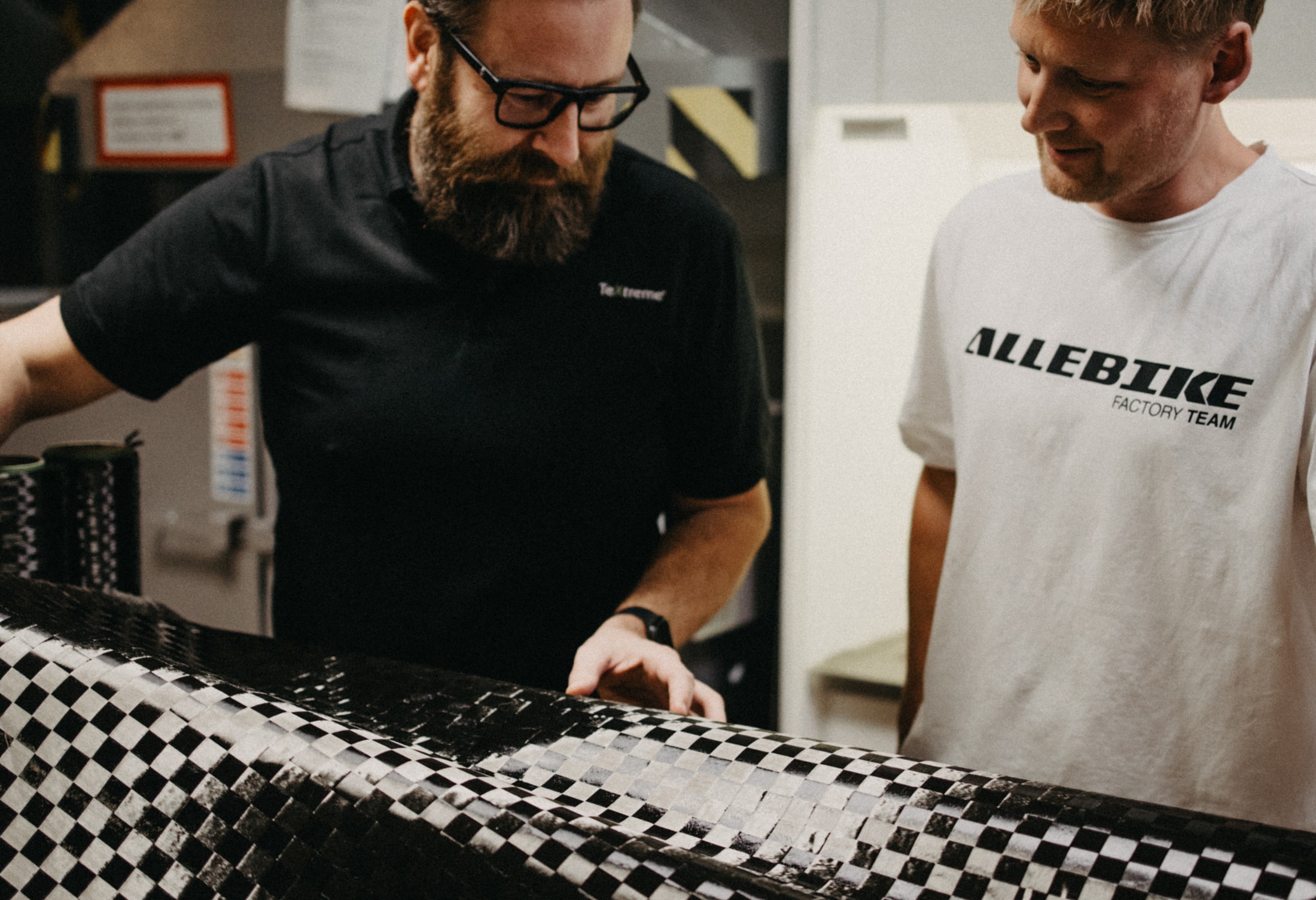
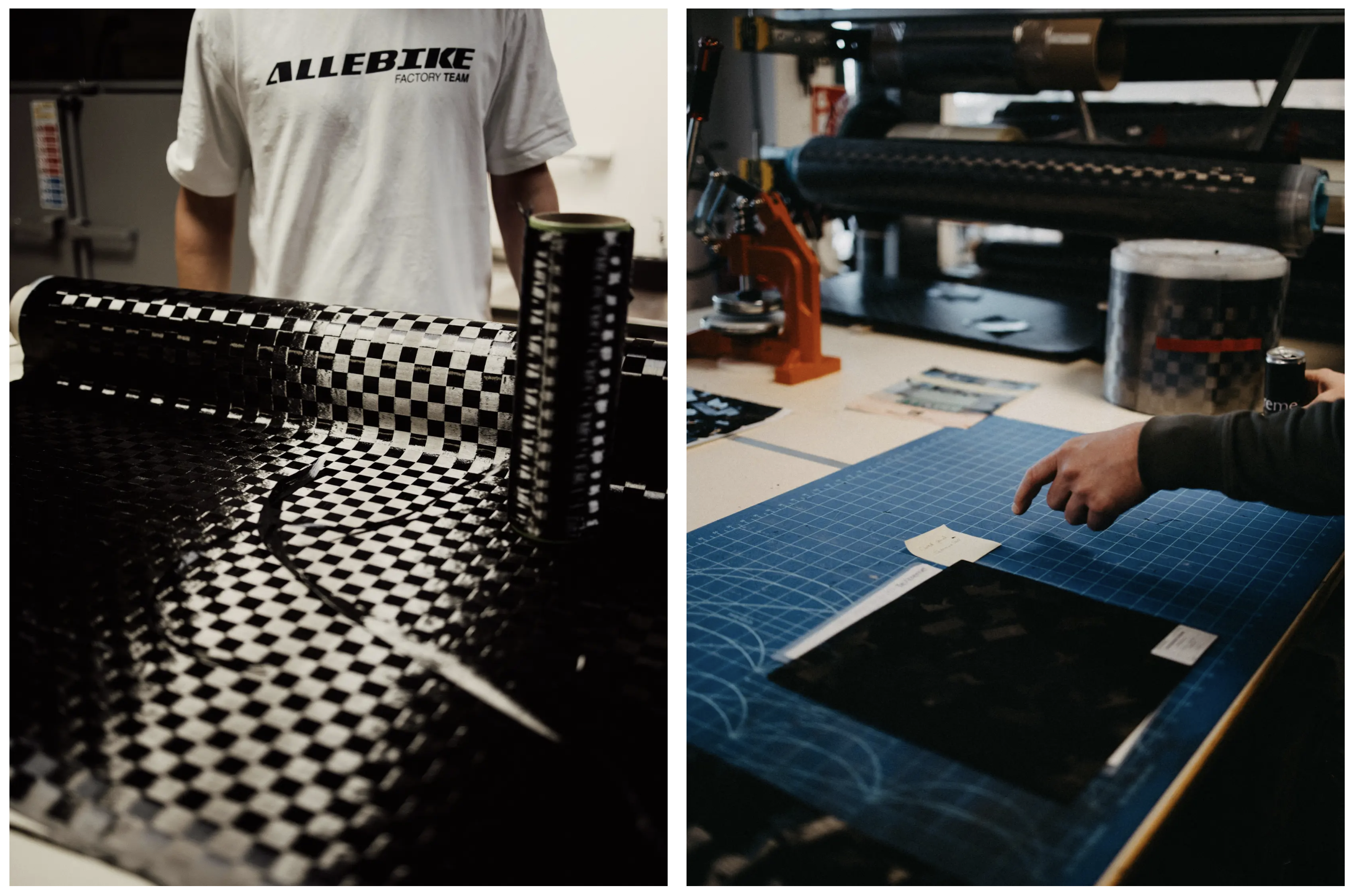
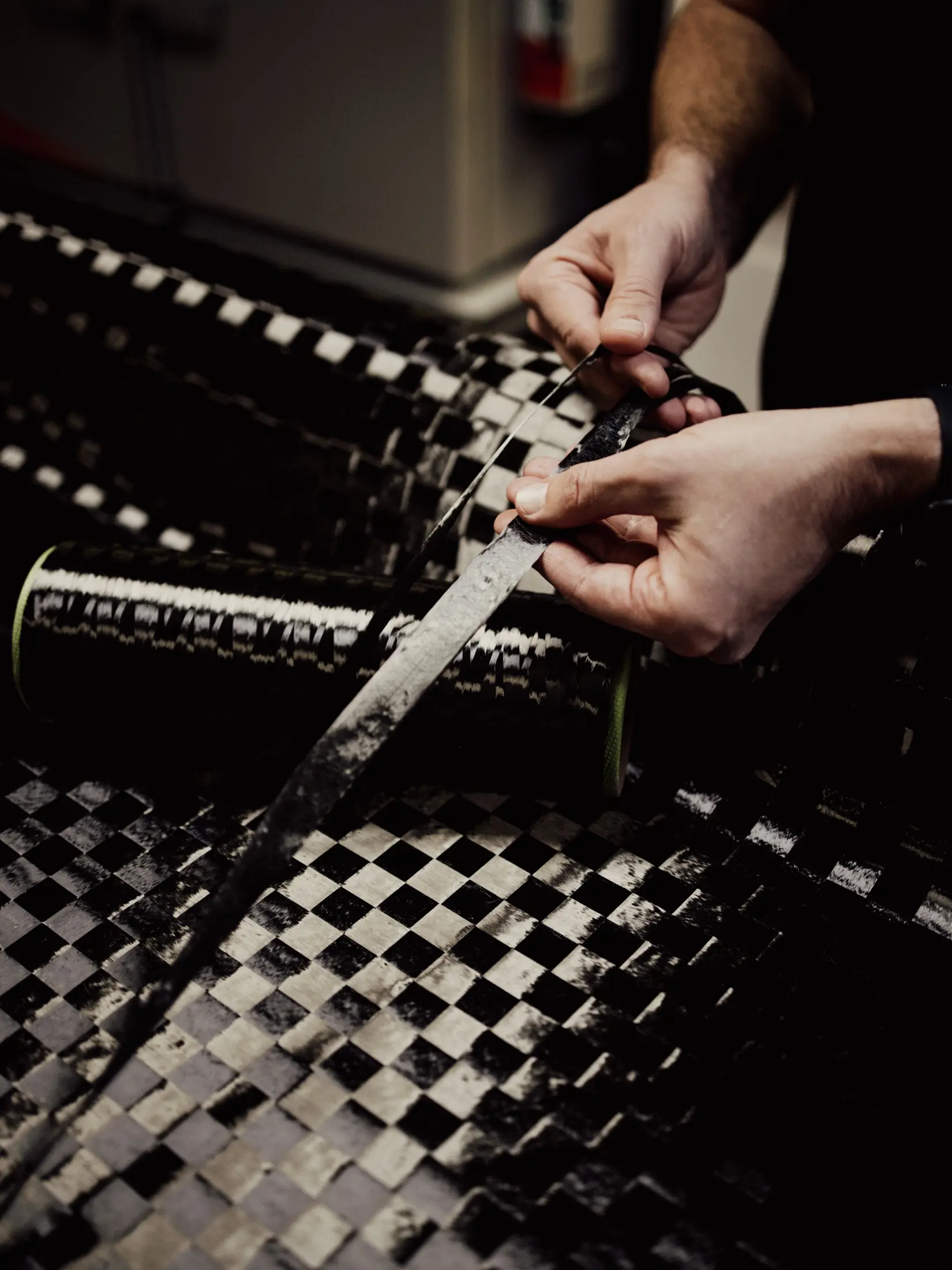
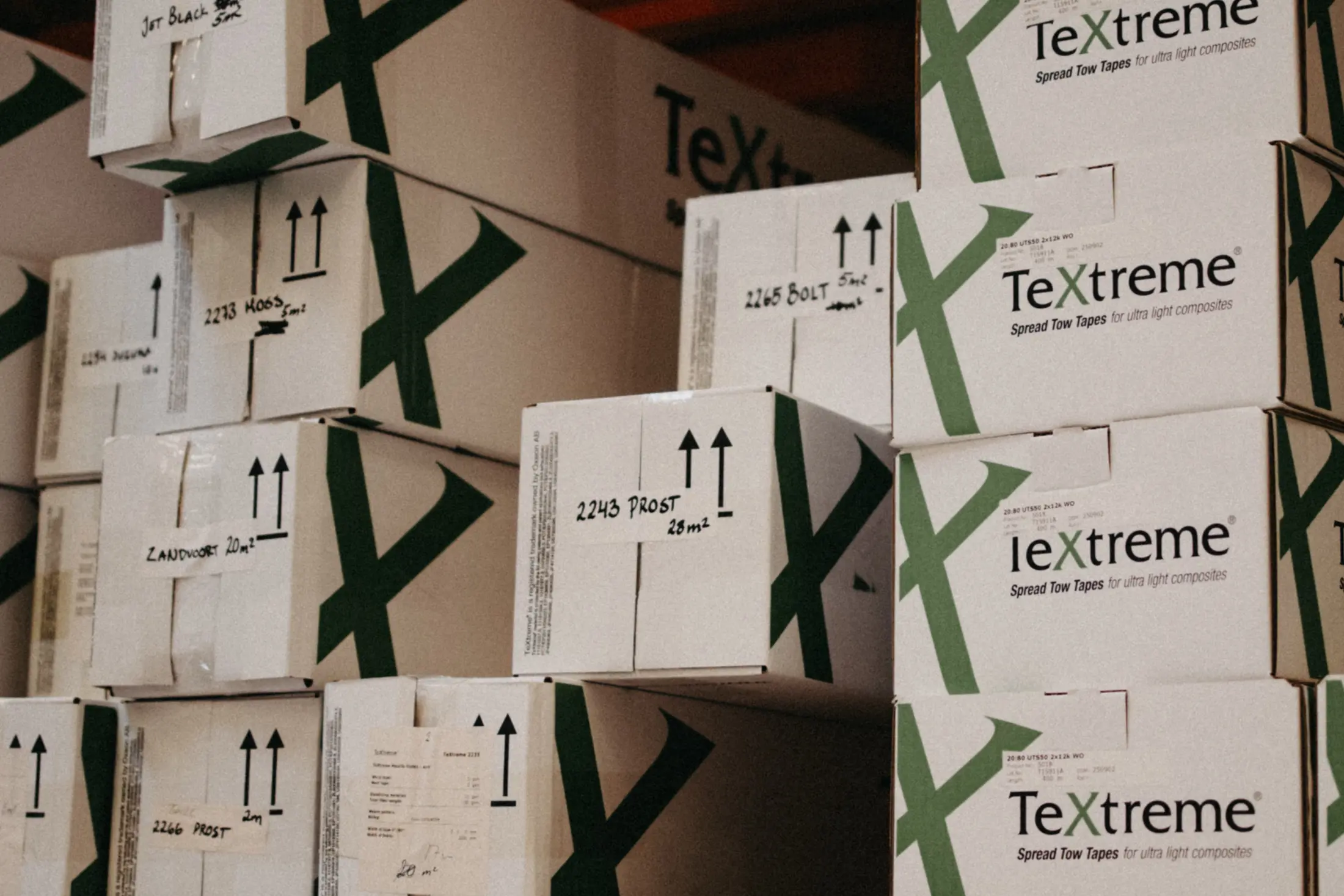
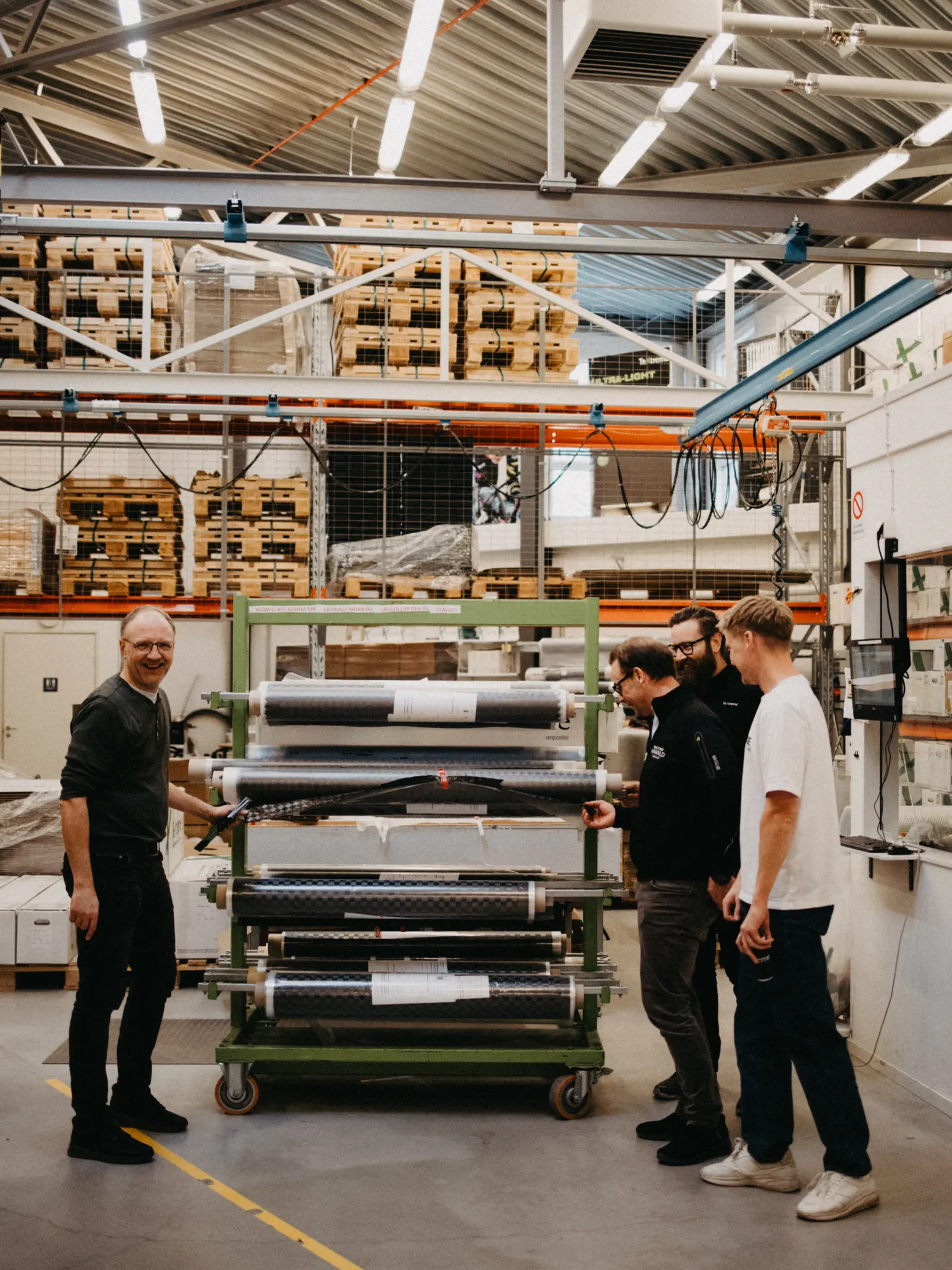
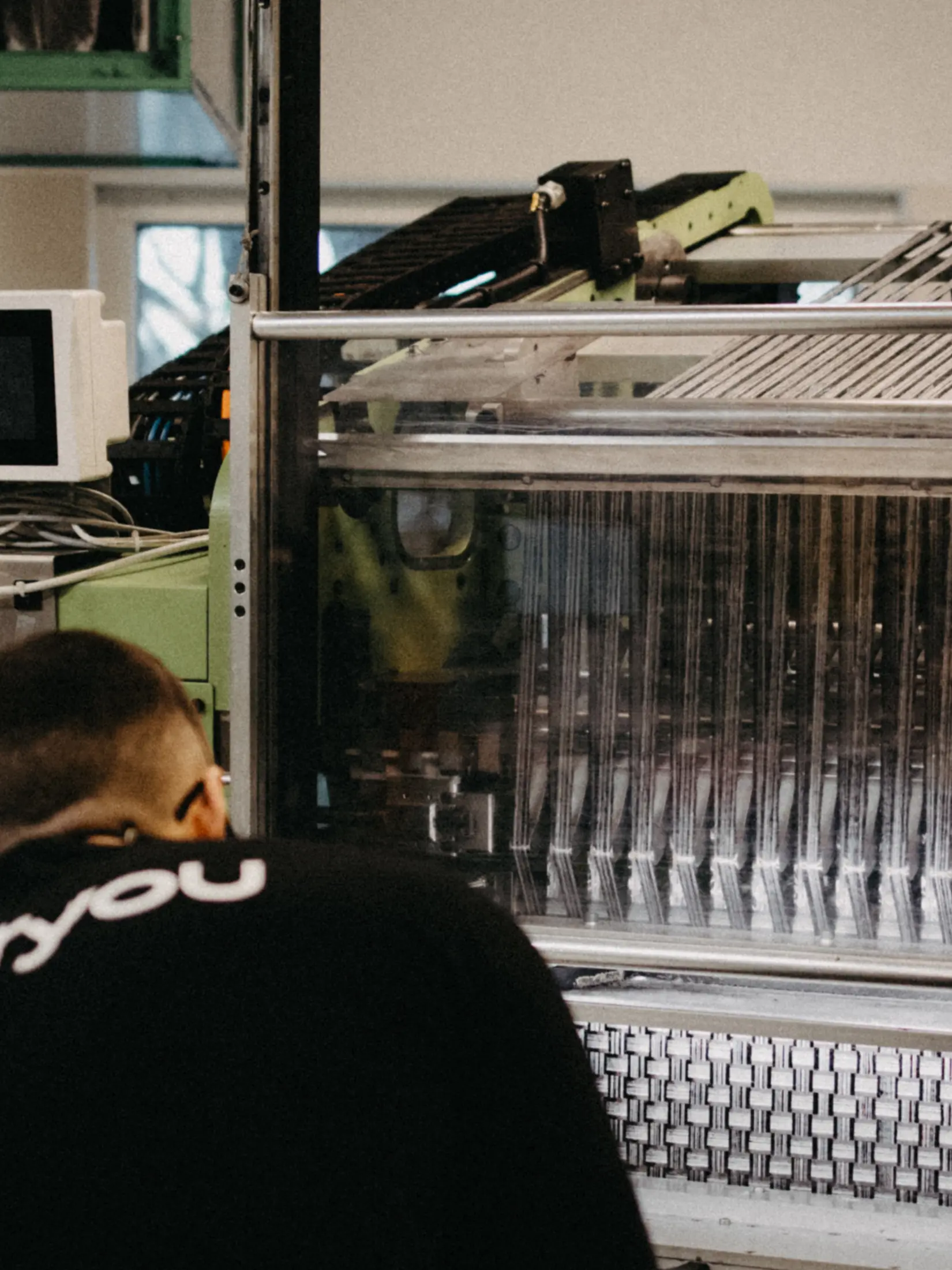
To work at that level, we needed a Swedish partner operating precisely there - at fiber level - and that is where TeXtreme entered the picture. In an industrial district in Borås, Sweden, carbon fiber reinforcements are developed and produced for some of the world’s most demanding applications. From advanced sporting goods and motorsport to aerospace - and further into space through NASA’s helicopter on Mars.
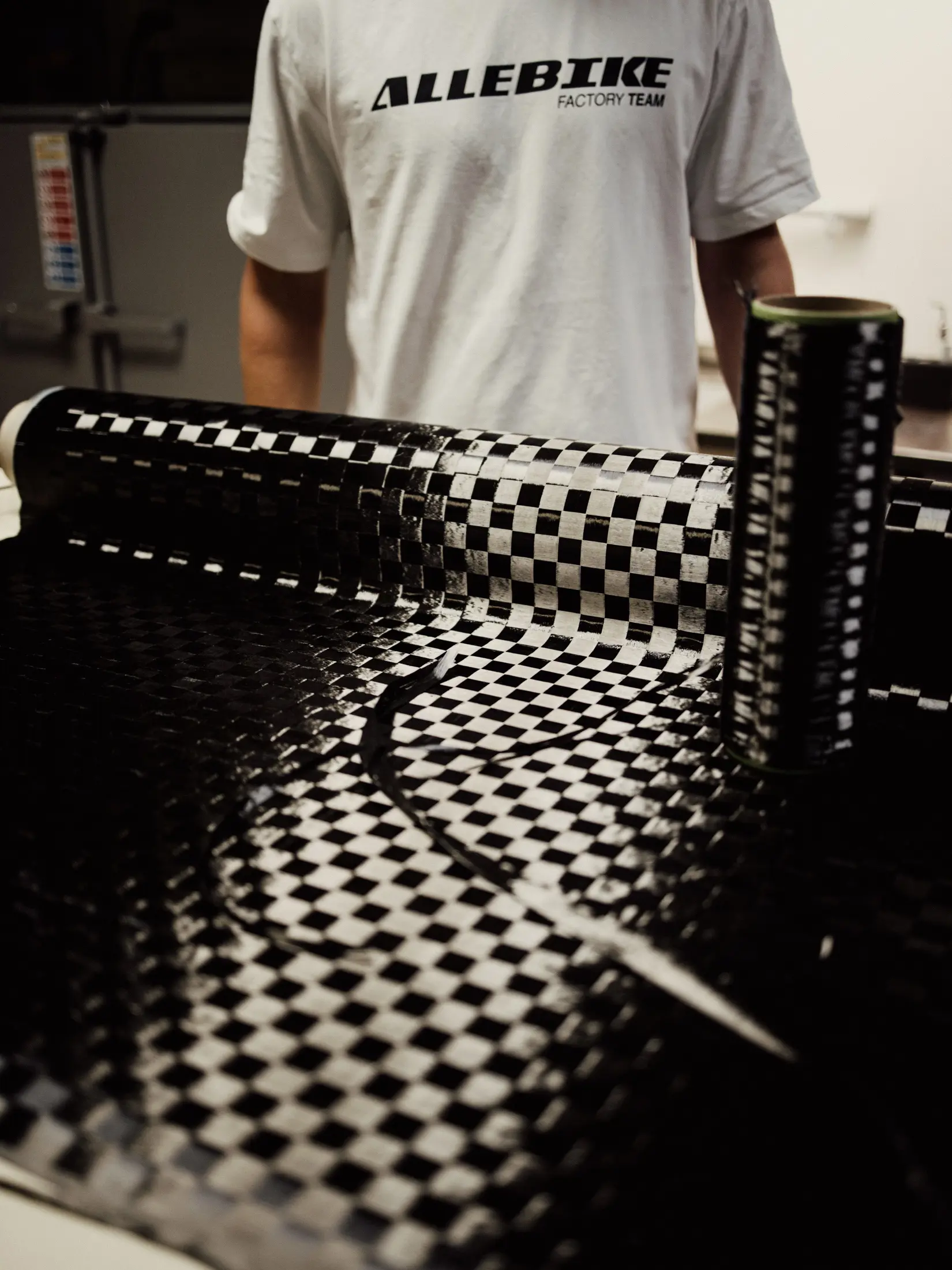
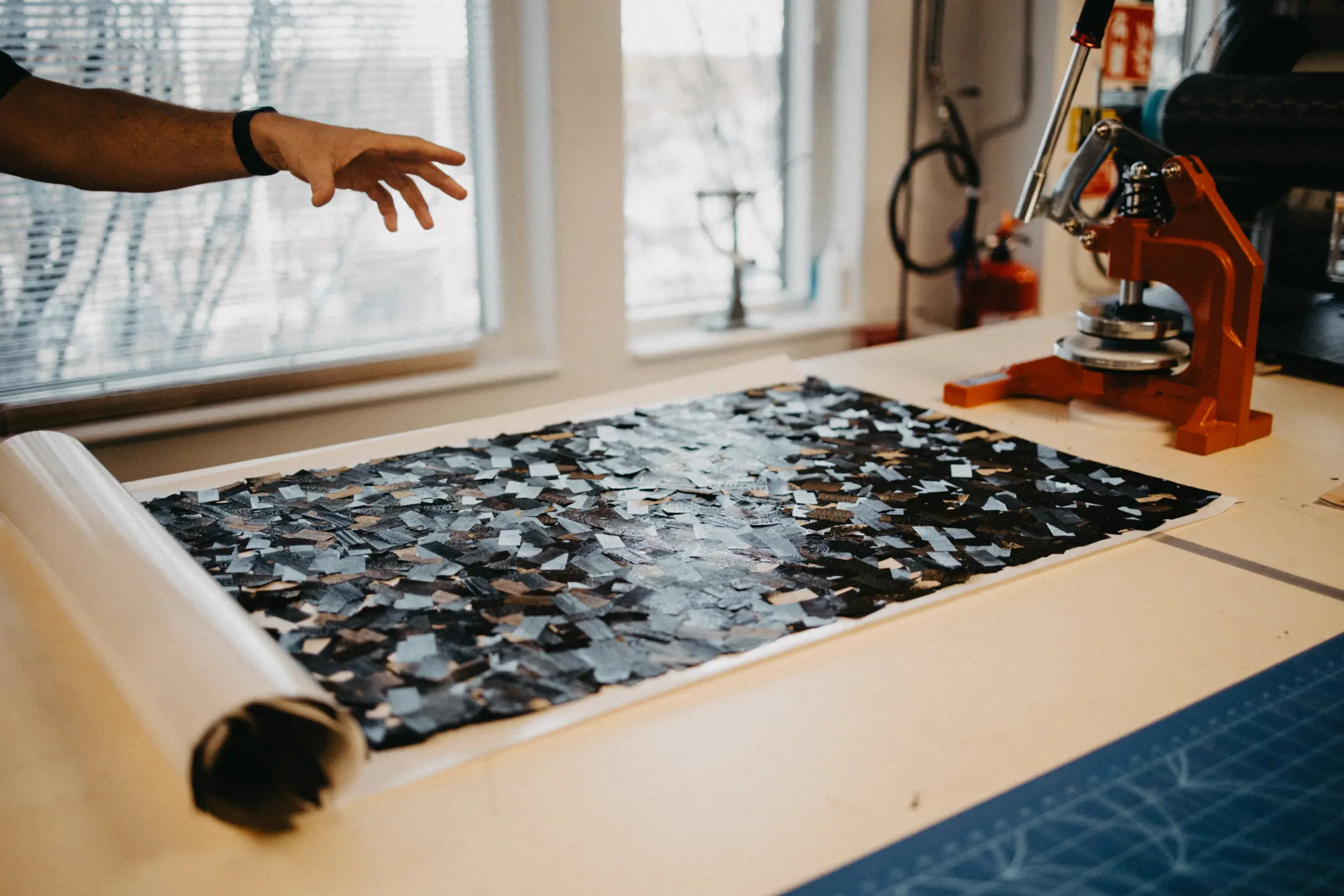
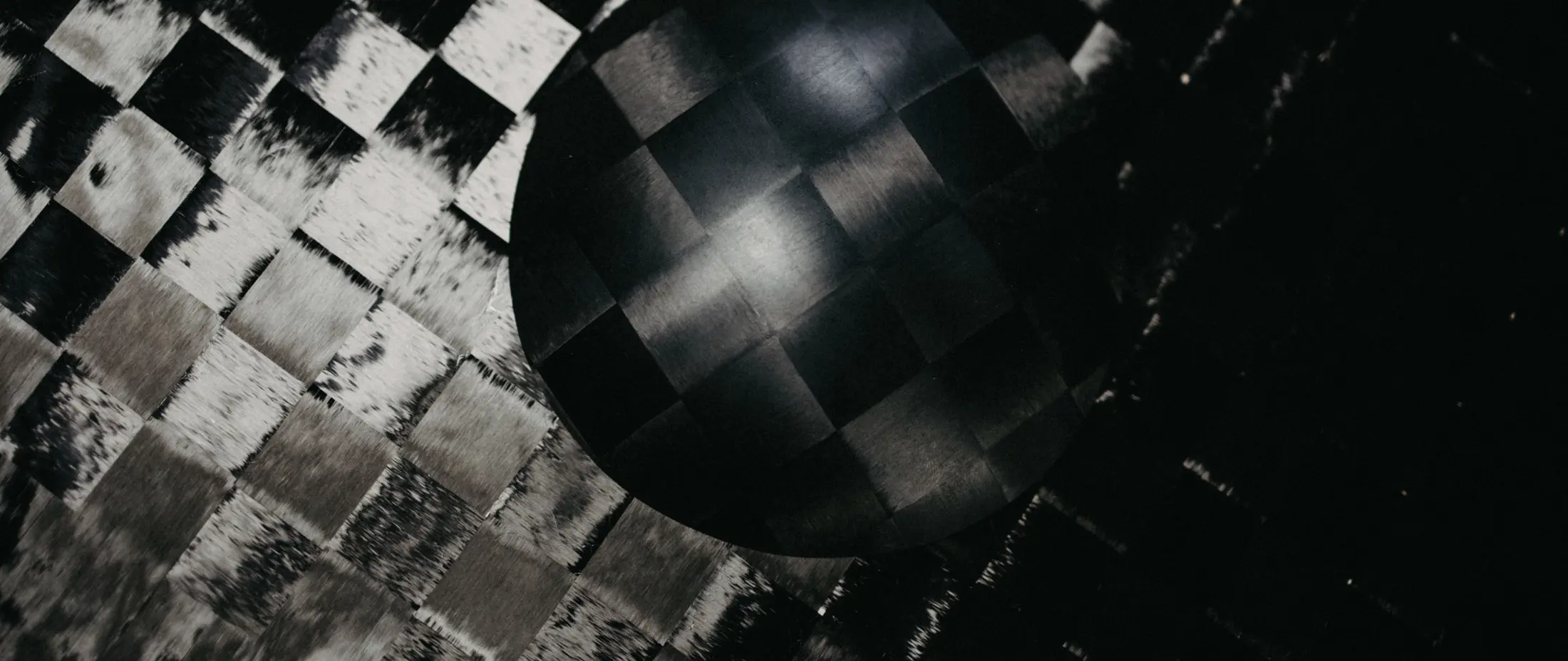
Development does not stop with today’s weave structures. One of the latest additions is TeXtreme® 360 - a new type of carbon fiber reinforcement where the fibers have a more varied in-plane orientation, rather than clearly defined directions.
This results in more uniform properties across multiple directions and can be an advantage in structures exposed to complex load cases. By using extremely thin carbon fiber “flakes,” the material can also be made thinner and lighter - without compromising performance.
Whether this particular solution becomes part of the project remains to be seen, but the potential is clearly there.
For TeXtreme, the project represents an opportunity to demonstrate what Swedish materials expertise can contribute when working in close collaboration with design and manufacturing.
“We see this as an opportunity to demonstrate how Swedish materials technology can contribute to both performance and sustainability. Our hope is that the project will also highlight that there are local partners capable of enabling the production of high-performance carbon fiber bicycles here in Sweden.”
- Fredrik Ohlsson, TeXtreme
Press Contact
Allebike / Vincents Alingsås
Jessica Blomqvist
Email: jessica@allebike.se
TeXtreme
Tomas Josefsson
E-post: tomas.josefsson@textreme.com
Aston Harald Composite
Lars Idmyr
E-post: lars.idmyr@astonharald.com